
A devastating fire ripped through Club Pulse in Kocani, North Macedonia, killing 59 people and injuring over 150 others. The blaze, which authorities suspect was ignited by pyrotechnics, is now being called one of the deadliest nightclub fires in recent history.
With mourning families, an ongoing investigation, and mounting questions about safety regulations, this tragedy raises a painful but necessary question: Could it have been prevented?
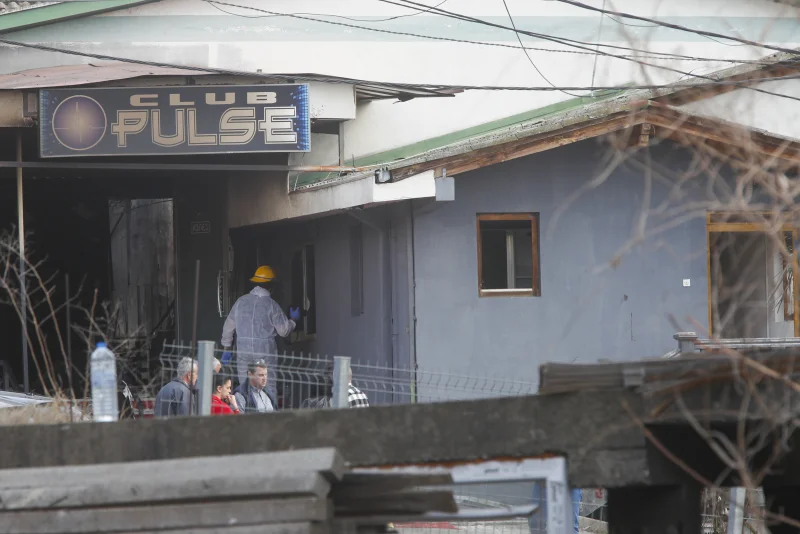
How Did the Fire Start? A Concert Turns Catastrophic
The nightclub was packed with young concertgoers when the fire erupted around 2:30 a.m. Witnesses describe a scene of absolute chaos—smoke filled the air, the roof caught fire, and panicked clubgoers rushed for the exits.
Videos from inside Club Pulse show musicians urging people to flee, but for many, it was already too late. The club’s roof partially collapsed, turning what should have been a night of music and celebration into an unimaginable nightmare.
But what caused the fire? Authorities suspect pyrotechnics—a common element of live performances but one with a deadly history of nightclub disasters.
A Familiar Pattern: When Safety Takes a Back Seat
This tragedy is not an isolated incident. Deadly nightclub fires caused by pyrotechnics have happened before—and will likely happen again unless serious reforms are made.
- In 2015, a fire at Colectiv nightclub in Bucharest, Romania, killed 64 people, also started by indoor fireworks.
- In 2003, the infamous Station nightclub fire in Rhode Island, USA, left 100 dead after a similar stage pyrotechnic mishap.
Each time, investigations reveal glaring safety failures:
✔ Overcrowding
✔ Flammable materials
✔ Poorly marked exits
✔ Lack of fire suppression systems
Club Pulse was reportedly in an old building that was once a carpet warehouse. Was it even up to code for hosting large crowds and live performances? That’s what investigators are now scrambling to determine.
Could This Have Been Prevented? The Harsh Reality
Many survivors and grieving families are now demanding accountability. How was a venue hosting hundreds of people allowed to operate in a potential firetrap?
- Were proper permits issued?
- Did the club meet fire safety standards?
- Why were pyrotechnics even allowed indoors?
These are questions that authorities must answer—not just for justice, but to prevent future tragedies.
Already, one arrest has been made, and officials are investigating whether gross negligence played a role. But as history shows, legal consequences often come too little, too late for the victims and their families.
The Human Toll: Families Shattered, a Nation in Mourning
Beyond the statistics, this tragedy is about real people—young lives lost, families forever changed.
Dragi Stojanov, a father who lost his 21-year-old son, said:
🗨 "He was my only child. I don't need my life anymore."
The grief is unbearable, and the wider impact is immeasurable. North Macedonia, a country of less than 2 million people, is now facing one of its worst disasters in recent memory.
Neighboring countries, including Albania, Greece, Serbia, and Bulgaria, have offered medical assistance, while European leaders have expressed their condolences.
But no amount of condolences will bring back those who were lost.
Final Thoughts: Will This Be a Wake-Up Call?
The tragic fire at Club Pulse is a harsh reminder of what happens when safety regulations are ignored, and profit takes precedence over protection.
- Will this lead to stricter fire codes?
- Will governments enforce stricter nightclub regulations?
- Or will this be another case where lessons are forgotten—until the next disaster?
For the victims of Kocani, it’s too late. But for other cities around the world, this must be a wake-up call before another night of celebration turns into a night of horror.