
When Energy Security Turns Into Energy Fragility
It takes just one disruption to expose how fragile the global energy system really is.
After an Iranian drone attack, Qatar shut down operations at its massive LNG export complex — and almost instantly, gas prices in Europe surged by as much as 54%. The facility in question, QatarEnergy’s Ras Laffan complex, isn’t just another industrial site. It accounts for roughly one-fifth of the world’s liquefied natural gas supply.
One-fifth.
That number alone should make policymakers nervous.

The Heart of the Global Gas Machine
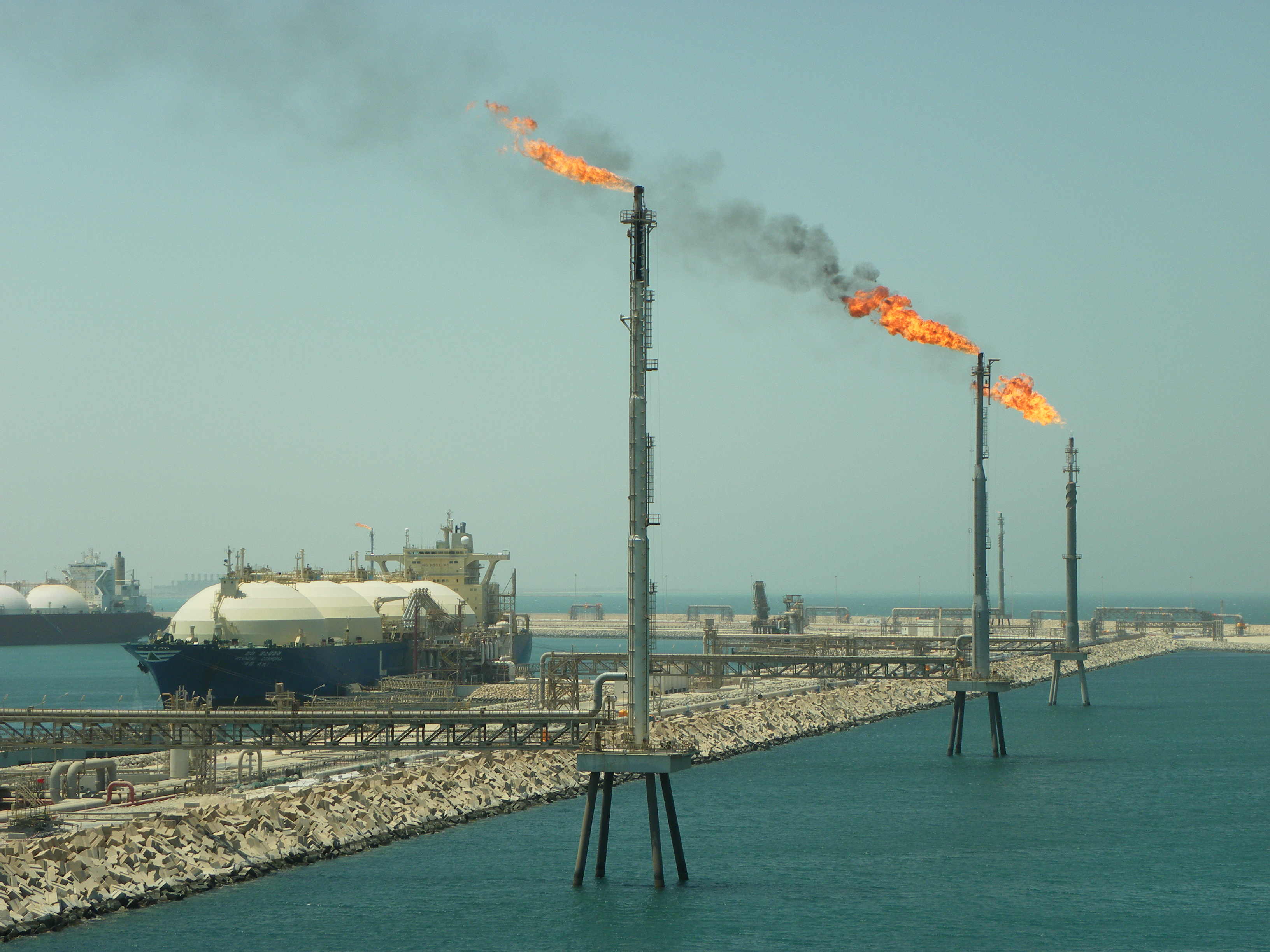


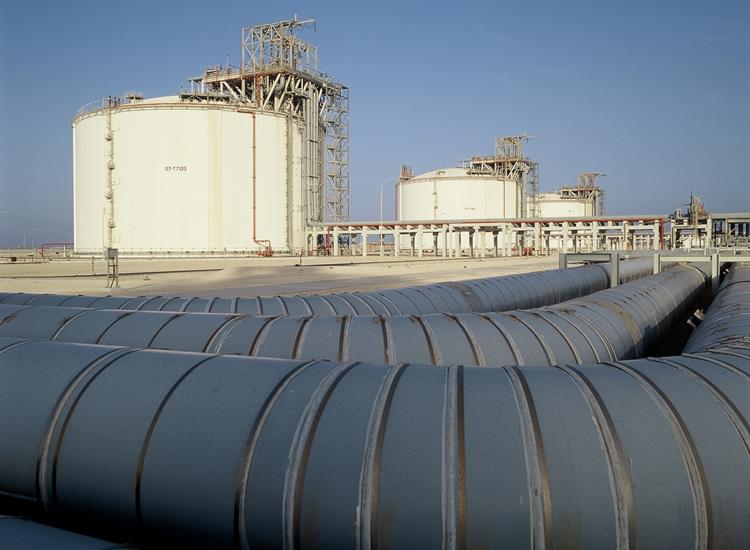
Ras Laffan isn’t symbolic — it’s structural. It sits at the core of the LNG system that feeds Europe, Asia, and beyond.
Asian buyers typically absorb most of Qatar’s shipments. But energy markets don’t work in isolation. If Asia competes harder for alternative cargoes, Europe feels the squeeze. If Europe scrambles for supply, prices jump everywhere.
And that’s exactly what happened.
Dutch front-month futures — Europe’s benchmark — spiked to their highest level in a year. Traders were reminded, painfully, of 2022, when Russia’s invasion of Ukraine sent gas prices into orbit.
The uncomfortable truth? We may not have learned enough from that crisis.
Strait of Hormuz: The Chokepoint Everyone Knows About — And Fears


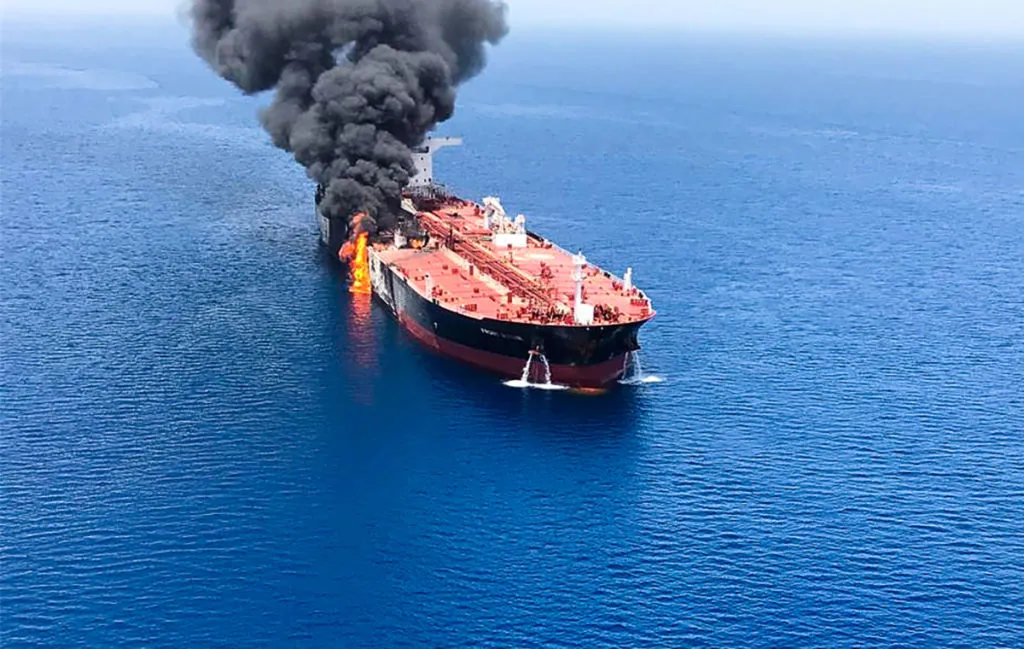
The shutdown didn’t occur in a vacuum. Tankers had already begun avoiding the Strait of Hormuz — the narrow maritime artery at the entrance to the Persian Gulf.
When ships hesitate to pass through one of the world’s most critical energy corridors, it’s not just a logistics problem. It’s a geopolitical alarm bell.
Goldman Sachs warned that if shipping through Hormuz were halted for a month, European gas prices could more than double.
More than double.
Let that sink in. A single chokepoint. A single escalation. And entire economies are on edge.
Europe’s Uncomfortable Position
Europe is entering this episode with unusually low gas inventories. The region must refill storage before next winter — meaning it needs LNG imports, and it needs them soon.
That timing makes this disruption particularly dangerous.
And while regional supplies haven’t yet been directly damaged, perception in energy markets is everything. Traders price in risk instantly. Fear alone can tighten supply.
It’s telling that Goldman Sachs Group Inc. is already running scenarios of extreme price escalation. That suggests the risk is not theoretical.
Force Majeure: Legal Shield, Market Shock
QatarEnergy declared force majeure — effectively signaling that contractual LNG deliveries may not be honored due to circumstances beyond its control.
From a legal standpoint, that’s understandable.
From a market standpoint, it’s a red flag.
Even without confirmed physical damage, the mere possibility of prolonged disruption is enough to rattle buyers. Energy markets trade on reliability. Once reliability becomes questionable, volatility becomes the norm.
The Illusion of Diversification
After 2022, Europe worked hard to diversify away from Russian pipeline gas. US LNG shipments increased. Qatar strengthened its partnerships. Infrastructure expanded.
But this crisis exposes something deeper: diversification isn’t the same as resilience.
If one supplier accounts for 20% of global LNG and that supply goes offline, diversification doesn’t eliminate vulnerability — it redistributes it.
Even upcoming exports from the Golden Pass expansion in the United States won’t fully offset Qatar’s volumes in the near term. Scaling production takes time. Markets react in minutes.
A Region on Edge
The broader conflict continues to escalate, with blasts reported across Israel, Saudi Arabia, Qatar, and the UAE. Retaliatory missile launches and intercepts are raising fears that this isn’t a brief flare-up.
If military operations stretch for weeks — as suggested by US President Donald Trump — the energy consequences won’t stay confined to headlines. They’ll show up in heating bills, industrial costs, and inflation data.
And it’s not just Qatar. Israel temporarily shut parts of its gas production, including the Leviathan field, prompting Egypt to seek additional LNG cargoes. Each closure tightens the global market just a little more.
Little pressures add up.
The Bigger Question: Why Is the System This Exposed?
Here’s the uncomfortable conversation we rarely have:
Why does a single drone attack have the power to jolt global prices by 54%?
Why is the world’s energy architecture so dependent on narrow geographic corridors and concentrated mega-facilities?
Have governments truly built resilient supply systems — or simply rearranged dependence from one geopolitical risk to another?
We talk about energy transition. We talk about renewables. We talk about energy security.
But moments like this suggest the global gas market remains structurally brittle.
What Happens Next?
The key variable now is duration.
If the shutdown is brief, markets may stabilize. If Hormuz traffic resumes normally, prices could retrace some gains.
But if the conflict deepens, the consequences could stretch well beyond Europe — affecting Asian importers, emerging markets, and inflation-sensitive economies worldwide.
Energy crises rarely stay regional.
And this one is unfolding in one of the most strategically sensitive areas on Earth.
Final Thought: Crisis as a Warning
This episode isn’t just about Qatar or Iran. It’s a stress test of the entire global energy model.
For years, policymakers claimed the world had adapted to post-Ukraine realities. That diversification had strengthened the system.
Yet here we are again — one geopolitical spark away from price chaos.
The real question isn’t whether prices will fluctuate in the coming weeks.
It’s whether the world will treat this as another temporary shock…
or finally admit that energy security built on concentrated supply and vulnerable chokepoints isn’t security at all.
If you enjoy my content and want to support the journey, you can fuel it here ☕ 👉 https://buymeacoffee.com/aniruddha2409