
As the war in Ukraine surpasses 1,100 days, President Volodymyr Zelenskyy is once again taking center stage in global diplomacy. With a trip to Saudi Arabia on the horizon, his administration is set to engage in critical discussions with U.S. representatives about pathways to peace. But in a geopolitical landscape marked by shifting alliances, intensifying battlefield violence, and growing international fatigue, one question looms large: Will these talks bring Ukraine closer to a resolution, or are they just another diplomatic formality?
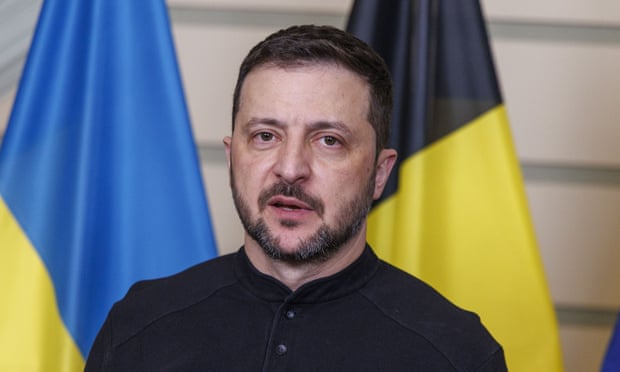
Zelenskyy’s Urgent Bid for U.S. Engagement
Zelenskyy has made it clear that Ukraine remains "fully committed" to peace, but his latest push for diplomatic progress comes at a precarious time. In a statement on X, he emphasized the need for "realistic proposals" and "swift, effective action"—a pointed reminder that patience is running thin as the war drags on.
The Ukrainian president’s upcoming meeting with Saudi Crown Prince Mohammed bin Salman, followed by discussions between top Ukrainian officials and a U.S. delegation, signals an effort to keep Washington engaged in the conflict. But given America’s shifting foreign policy priorities and the ongoing political turbulence in the U.S., there’s no guarantee that Ukraine will get the firm commitments it seeks.
Escalating Violence Underscores the Stakes
Meanwhile, Russia’s latest attacks paint a grim picture of the battlefield reality. A devastating missile strike on Dobropillia in eastern Ukraine left at least 14 civilians dead, including children. A separate drone assault in the Kharkiv region killed three and injured several others. Despite these tragic losses, Moscow’s offensive shows no signs of slowing down.
The attacks have prompted renewed calls for tougher sanctions against Russia, with Zelenskyy arguing that Putin’s objectives remain unchanged. But will the international community respond with the urgency Ukraine demands?
Trump’s Controversial Comments Stir Debate
Adding another layer of complexity to Ukraine’s diplomatic push, former U.S. President Donald Trump recently made headlines by stating that Russian President Vladimir Putin is "doing what anybody would do" and that he finds it "easier" to deal with Moscow than Kyiv.
These remarks, made in the Oval Office, send a chilling signal to Ukraine. If Trump returns to power in 2025, could Washington’s unwavering support for Kyiv shift? And if so, how will Zelenskyy navigate a world where U.S. backing is no longer a given?
The Global Response: Will Allies Step Up?
With uncertainty surrounding future U.S. involvement, other nations are contemplating their role in the conflict. Australian Prime Minister Anthony Albanese has indicated a willingness to participate in a future peacekeeping mission in Ukraine, aligning with efforts by the UK and France to assemble a "coalition of the willing."
However, as Albanese himself noted, peacekeepers require peace—something that remains elusive as long as Russia continues its offensives and Ukraine fights to defend its sovereignty.
The Path Forward: Hope or Stalemate?
Zelenskyy’s visit to Saudi Arabia represents more than just another diplomatic meeting—it’s a high-stakes maneuver to secure lasting Western support in a war that shows no signs of ending. But with the battlefield dynamics growing more volatile and global political winds shifting unpredictably, Ukraine’s ability to turn dialogue into action remains uncertain.
Will these negotiations yield tangible progress, or will they simply add to the long list of stalled diplomatic efforts? The world is watching, but for those in Ukraine, the wait for real change is running out.