
In a move that has raised eyebrows across the political spectrum, former President Donald Trump has nominated Amer Ghalib, the Democratic mayor of Hamtramck, Michigan, as the next U.S. Ambassador to Kuwait. Ghalib, a Muslim Democrat who endorsed Trump in the 2024 presidential election, is now positioned as a key diplomatic figure in the Middle East. But is this nomination a sign of Trump’s strategic outreach, or just another example of political maneuvering?
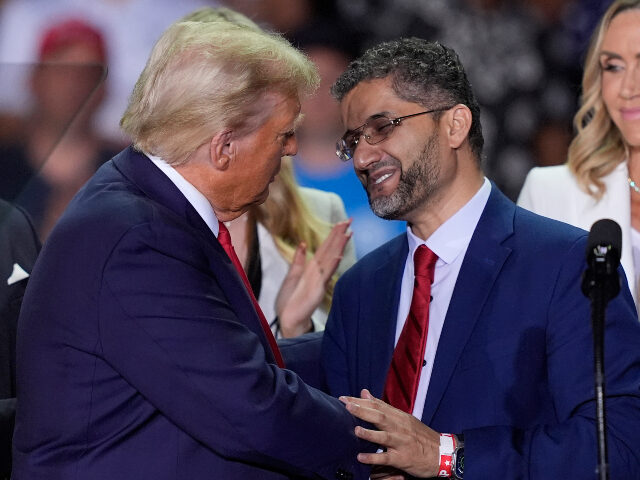
A Democrat in Trump’s Inner Circle?
Trump’s announcement, made via Truth Social, praised Ghalib for helping secure a “historic victory” in Michigan—a state that had long been considered a Democratic stronghold. The endorsement of a Democrat, particularly one from a heavily immigrant and Muslim-majority city like Hamtramck, was an unexpected twist in the 2024 campaign.
Ghalib’s background as a medical professional and community leader in Wayne County played a significant role in his political rise. However, his decision to back Trump over Kamala Harris last year left many of his Democratic allies stunned. Now, with his nomination to a key ambassadorship, the question arises: was his endorsement truly ideological, or was it a calculated political gamble?
Why Kuwait? The Strategic Importance of This Appointment
Kuwait, a longtime U.S. ally, holds strategic significance in the Middle East. As a diplomatic partner, it plays a crucial role in military cooperation, oil trade, and regional stability. By appointing Ghalib, Trump is making a statement—not just about his administration’s foreign policy but about his evolving political alliances.
This move could be seen as an attempt to mend ties with Muslim-American voters, a demographic that has historically been wary of Trump due to his controversial travel bans and rhetoric regarding Islam. By nominating Ghalib, Trump signals that his administration values Muslim representation—at least when it aligns with his political goals.
A Political Reward or a Diplomatic Liability?
While Trump’s supporters have applauded the nomination as proof of his inclusivity and strategic thinking, critics argue that Ghalib lacks the diplomatic experience necessary for such a role. His tenure as mayor of a small Michigan city, while notable, does not necessarily prepare him for the complexities of international diplomacy.
Additionally, skeptics point out that this appointment may be more about rewarding loyalty than about placing the most qualified individual in a critical foreign service position. Could this be yet another example of Trump prioritizing personal alliances over professional qualifications?
What This Means for 2028 and Beyond
Looking ahead, this appointment could have lasting implications for Trump’s political future. If Ghalib performs well in Kuwait, it could strengthen Trump’s appeal among moderate and minority voters ahead of a potential second term. However, if the appointment backfires, it could fuel accusations of political favoritism and weaken Trump’s standing on foreign policy.
For now, Amer Ghalib has expressed gratitude for the nomination, pledging to strengthen U.S.-Kuwait relations. But as history has shown, political appointments under Trump often come with unexpected twists—and this one is no exception.