
A Desperate Attempt at Diplomacy or a Futile Gesture?
In a surprising move, the UK, France, and Ukraine have agreed to work on a ceasefire plan for the war in Ukraine, with hopes of securing American support. British Prime Minister Keir Starmer emphasized the need for a "just and lasting peace," but let’s be honest—does anyone really believe this will change the course of the war?
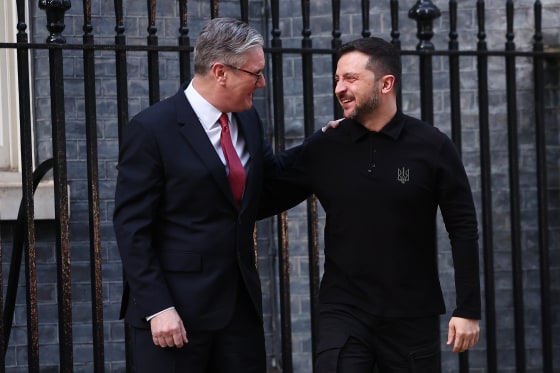
Given the political chaos surrounding U.S. foreign policy, European leaders are scrambling to present a unified front. But with Washington shifting its stance under President Trump, and Russia firmly in control of key strategic areas, this ceasefire proposal feels more like an act of desperation than a credible path to resolution.
Can Europe Fill the Void Left by the U.S.?
Let’s address the elephant in the room: Europe’s role in this war has always been secondary to that of the U.S. For years, NATO members relied on Washington’s military aid, intelligence, and economic pressure to counter Russia. Now, with Trump distancing himself from Ukraine and openly questioning America’s long-term support, European leaders are scrambling to prove they can take charge.
Starmer, Macron, and others may speak of unity and strength, but the reality is stark—Europe lacks the military and economic leverage to truly influence the war’s outcome. Even if EU nations increase their defense spending, will it be enough to deter Putin or reassure Zelenskyy? Unlikely.
And let’s not forget: releasing seized Russian assets to fund Ukraine’s war effort might seem like a bold move, but it comes with its own set of risks, including potential Russian retaliation against European interests.
Trump’s Indifference: The Biggest Obstacle to Peace
For all the diplomatic efforts being made in London, one key player remains disengaged—Donald Trump. His recent clash with Zelenskyy, in which he reportedly berated the Ukrainian leader for being “ungrateful,” signals a major shift in U.S. foreign policy. Trump has repeatedly expressed skepticism about continued American involvement in Ukraine, prioritizing domestic issues and his broader realignment with Russia.
European leaders can draft as many ceasefire plans as they want, but without U.S. backing, any proposal is essentially dead on arrival. And given Trump’s unpredictable nature, there’s no guarantee he’ll even consider their recommendations, let alone implement them.
Putin Holds the Cards—Not Europe
Another hard truth: any ceasefire proposal is meaningless if Russia isn’t on board. At this stage, Vladimir Putin has little incentive to agree to a settlement. The war has already shifted in his favor, with Ukraine struggling to hold ground and facing significant military fatigue.
Russia has also strengthened its economic and military ties with China, Iran, and North Korea, creating alternative support systems that reduce the impact of Western sanctions. With Trump softening his rhetoric on Russia, Putin is in no rush to negotiate on Europe’s terms.
So what happens when the ceasefire plan is inevitably rejected or ignored? Will European leaders push for a tougher stance, or will they quietly accept that Ukraine’s fate is no longer in their hands?
A Harsh Reality: Europe Can’t Dictate the Endgame
While Starmer and Macron present their ceasefire initiative as a step toward peace, it feels more like a symbolic attempt to remain relevant in a conflict that is increasingly out of their control. Without U.S. leadership, and with Russia gaining the upper hand, Europe’s diplomatic efforts may ultimately amount to little more than wishful thinking.
Instead of pushing for half-baked ceasefire plans, perhaps it’s time for European leaders to face the reality of their situation—without a major shift in U.S. policy or a sudden change in Russia’s strategic objectives, the war in Ukraine is far from over.