
In a move that has sent shockwaves through the firefighting community, the Trump administration has abruptly canceled all classes at the National Fire Academy (NFA). The decision, tied to ongoing budget freezes and agency overhauls, raises critical questions about national disaster preparedness and the administration’s long-term vision for emergency response services.
Firefighters, emergency medical service (EMS) providers, and first responders across the country rely on the NFA’s federally funded training programs to enhance their life-saving skills. Now, with the sudden suspension of classes, many fear that vital knowledge-sharing and preparedness efforts are being sacrificed in the name of budget cuts.
Why Was the National Fire Academy Shut Down?
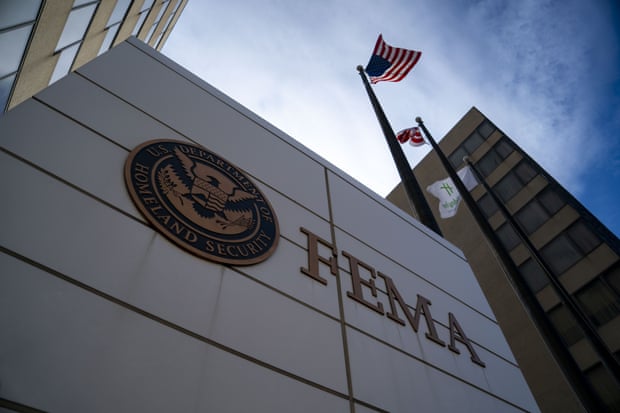
The Federal Emergency Management Agency (FEMA), which oversees the NFA, issued a notice stating that the shutdown was part of a broader “evaluation of agency programs and spending” to align with Trump administration priorities. Instructors were instructed to cancel all future travel, and students who had already made arrangements for upcoming sessions were left scrambling.
Critics argue that this abrupt decision fits a broader pattern of deep cuts to emergency response agencies. The administration has already overseen significant staffing reductions at the National Forest Service—just months after devastating wildfires in California—and Trump himself recently suggested eliminating FEMA altogether.
Is this about eliminating inefficiencies, or is it a short-sighted move that could leave communities more vulnerable to future disasters?
Firefighters and Experts Sound the Alarm
For many in the firefighting community, the NFA is not just another government institution—it’s a cornerstone of national fire safety. The academy, which has trained generations of emergency responders since 1973, was originally envisioned as the “West Point of the Fire Service.”
Marc Bashoor, a seasoned fire chief with over four decades of experience, didn’t mince words about the decision:
“The NFA is a powerhouse for the fire service. It’s not a ‘nice to have’—it’s essential. This is the only place where we bring people from all over the country to learn from and with each other.”
Beyond the prestige of the academy, its practical impact is undeniable. Firefighters trained at the NFA have played key roles in coordinating responses to major wildfires, hurricanes, and industrial accidents. Without this specialized education, experts warn that future disaster responses may suffer from disorganization and a lack of advanced training.
A Cost-Cutting Measure or a Safety Risk?
The Trump administration has made it clear that cost-cutting is a priority. But when it comes to emergency response, critics argue that slashing budgets can lead to far greater costs in the long run—both in human lives and economic damage.
The cancellation of NFA training comes at a time when firefighters are already stretched thin. California alone saw deadly wildfires last year that required extensive coordination between local, state, and federal responders. Training from the NFA helped prevent even more loss of life and property destruction.
With climate change fueling more frequent and severe wildfires, hurricanes, and other disasters, now seems like the worst possible time to scale back national preparedness efforts.
What’s Next?
For now, the NFA remains closed indefinitely, and neither FEMA nor the administration has offered a timeline for its potential reopening. Firefighters and first responders across the country are left wondering whether this is just a temporary suspension or the beginning of a larger dismantling of federally funded emergency response training.
Meanwhile, the backlash is growing. Fire departments, unions, and safety advocates are calling for the immediate reinstatement of the NFA’s programs. If the administration’s decision stands, it could have long-term ripple effects, impacting the readiness of firefighters and EMS providers for years to come.
The question remains: is the administration willing to gamble with national safety in the name of budget cuts, or will the outcry force a reversal of this controversial decision?