
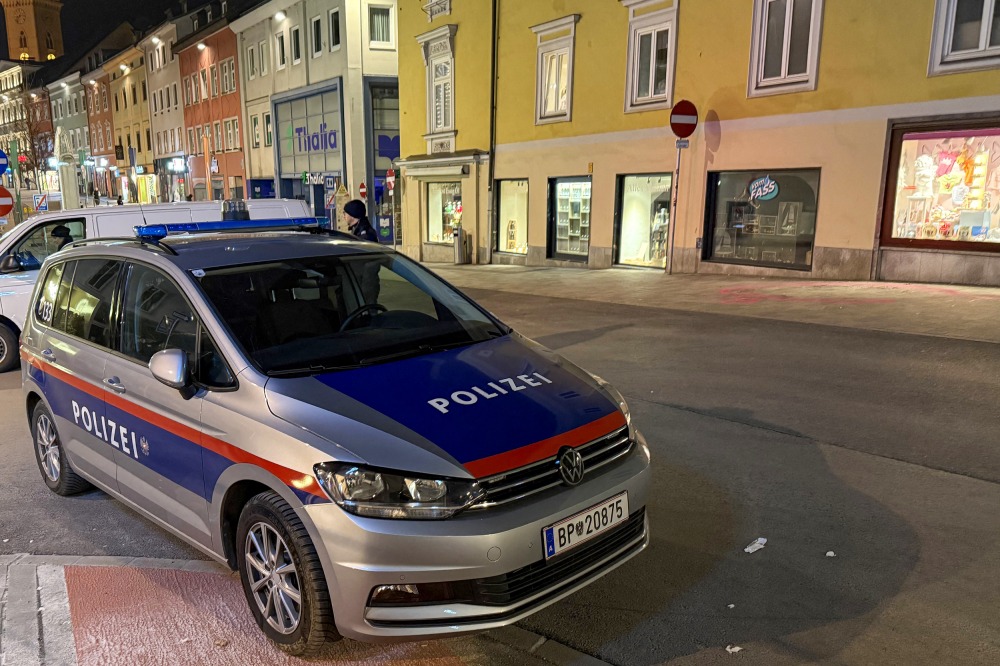
The recent knife attack in Villach, Austria, has left the nation in shock and mourning. A 23-year-old Syrian man, legally residing in the country, stabbed five people, tragically killing a 14-year-old boy. The randomness of the attack, coupled with its brutality, has ignited a heated debate about security, immigration policies, and social integration. While emotions are running high, it is crucial to take a step back and critically analyze the broader implications of such events.
A Senseless Act of Violence or a Symptom of a Larger Issue?
The lack of a known motive for the attack has led to speculation, with authorities still investigating the suspect’s background. While it is easy to label this as an isolated act of senseless violence, history suggests that violent crimes—especially those committed in public spaces—often point to deeper societal issues. Whether it is mental health struggles, radicalization, or social alienation, dismissing this tragedy without exploring its root causes would be a missed opportunity for policymakers and society alike.
The Role of Immigration in the Public Debate
Unsurprisingly, this incident has been politicized, with far-right voices amplifying concerns over immigration and crime. Austrian Freedom Party leader Herbert Kickl used the attack to push for stricter asylum laws, framing it as part of a broader pattern of crime tied to immigration. While it is essential to address public safety, the narrative that ties violent crime solely to immigration oversimplifies a complex issue. Crime statistics often reveal that socio-economic factors, rather than nationality or immigration status, are more significant predictors of criminal behavior.
Media Sensationalism and Public Perception
Incidents like this often dominate news cycles, creating a perception that violent crime is surging. However, Austria’s overall crime rates have not seen a drastic spike in recent years. Sensationalist coverage can fuel fear and division, reinforcing stereotypes rather than encouraging nuanced discussions. It is imperative for media outlets to present facts responsibly, ensuring that coverage does not disproportionately shape public opinion based on isolated incidents.
Law and Order: Is Austria’s System Failing?
The immediate response from political leaders was a call for harsher legal consequences. While accountability is necessary, punitive measures alone do not prevent such attacks. A broader conversation about crime prevention, integration policies, and mental health resources is required. Does Austria have sufficient programs to help immigrants assimilate? Are there early intervention mechanisms to detect potential threats before they escalate? These are the pressing questions that demand attention beyond reactionary policies.
Moving Forward: A Balanced Approach
Security concerns must be taken seriously, but reactionary policies fueled by fear can do more harm than good. Austria, like many European nations, faces a critical challenge—how to balance public safety with humanitarian responsibility. Rather than using tragic incidents as political leverage, a constructive dialogue focused on comprehensive solutions is necessary.
As the nation mourns the victims of this attack, it must also reflect on how to prevent future tragedies. Thoughtful policies, rather than emotionally charged rhetoric, will pave the way for a safer and more cohesive society.