
The latest round of severe weather has left much of the Eastern U.S. grappling with floods, snowstorms, and dangerously cold temperatures. From Kentucky’s flash floods to New England’s impending blizzard, the unpredictable nature of these conditions raises important questions about preparedness and climate patterns.
Flood Warnings and Emergency Declarations Across the South
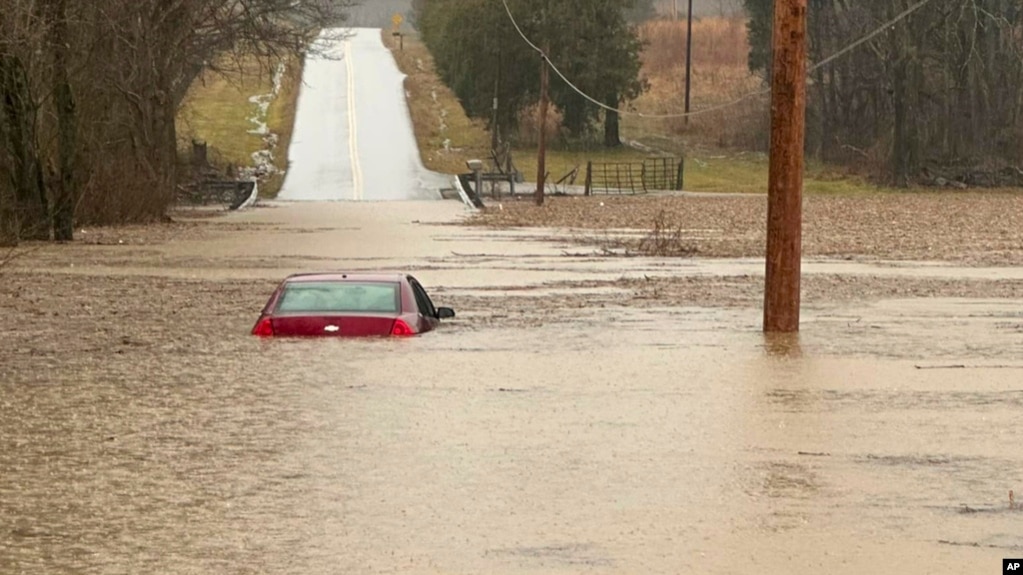
Kentucky, Tennessee, West Virginia, and Arkansas were placed under flood warnings, with authorities urging residents to stay off the roads. Kentucky Governor Andy Beshear took proactive measures, declaring a state of emergency to mobilize resources for flood-prone areas. The impact has already been devastating, with parts of western Kentucky facing nearly eight inches of rainfall, leading to road closures and emergency rescues.
Social media images from Warren County, Kentucky, and Buchanan County, Virginia, depict submerged vehicles and homes, emphasizing the gravity of the situation. With authorities continuing to monitor water levels, residents are advised to stay home unless absolutely necessary.
Northeast Braces for a Major Snowstorm
While the South contends with rising waters, the Northeast is preparing for heavy snowfall and treacherous road conditions. Meteorologists predict over a foot of snow in upstate New York and northern New England, with sleet and ice further complicating travel. The National Weather Service warns that some areas could see ice accumulations of up to a quarter-inch, increasing the risk of power outages and downed trees.
As winter weather advisories remain in effect, officials are urging residents to stock up on essentials and avoid unnecessary travel. For those in high-impact zones, the coming days may bring power outages and transportation challenges.
The Midwest Faces Bitter Cold as the Polar Vortex Moves In
The Midwest is no stranger to extreme cold, but the latest polar vortex event may be one of the coldest yet. Meteorologists warn that wind chills in parts of Montana, North Dakota, South Dakota, and Minnesota could plummet to as low as -51 degrees Celsius (-60 Fahrenheit). Cities like Denver are bracing for below-freezing temperatures, prompting emergency shelters to open for vulnerable populations.
With the Arctic air mass pushing further south, states like Nebraska, Iowa, and Wisconsin are seeing road conditions deteriorate due to accumulating snow. Drivers are advised to take extreme caution as winter weather advisories remain in effect.
California's Mudslide Crisis: The Aftermath of Intense Storms
As the East battles floods and snow, California is recovering from a separate crisis—destructive mudslides. Following record-breaking rainfall, landslides in Sierra Madre buried streets under debris, trapping vehicles and damaging homes. While dry conditions have returned, officials warn that the risk of further slides remains high, particularly in areas scarred by past wildfires.
Meanwhile, in the Sierra Nevada, recent storms dumped nearly six feet of snow in 36 hours. The extreme snowfall led to dangerous avalanche conditions, with two ski patrol workers caught in a slide during mitigation efforts.

A Nation on Edge: What Comes Next?
With multiple regions facing simultaneous weather disasters, the importance of disaster preparedness cannot be overstated. From emergency declarations to infrastructure resilience, local and national authorities must continually adapt to an increasingly volatile climate. The ongoing impact of these weather patterns serves as a reminder of the need for improved response strategies and sustainable urban planning.
As communities across the country work to recover, one thing remains clear—extreme weather events are becoming more frequent and severe. How well the nation adapts to these challenges will shape its ability to withstand future climate-driven disruptions.