
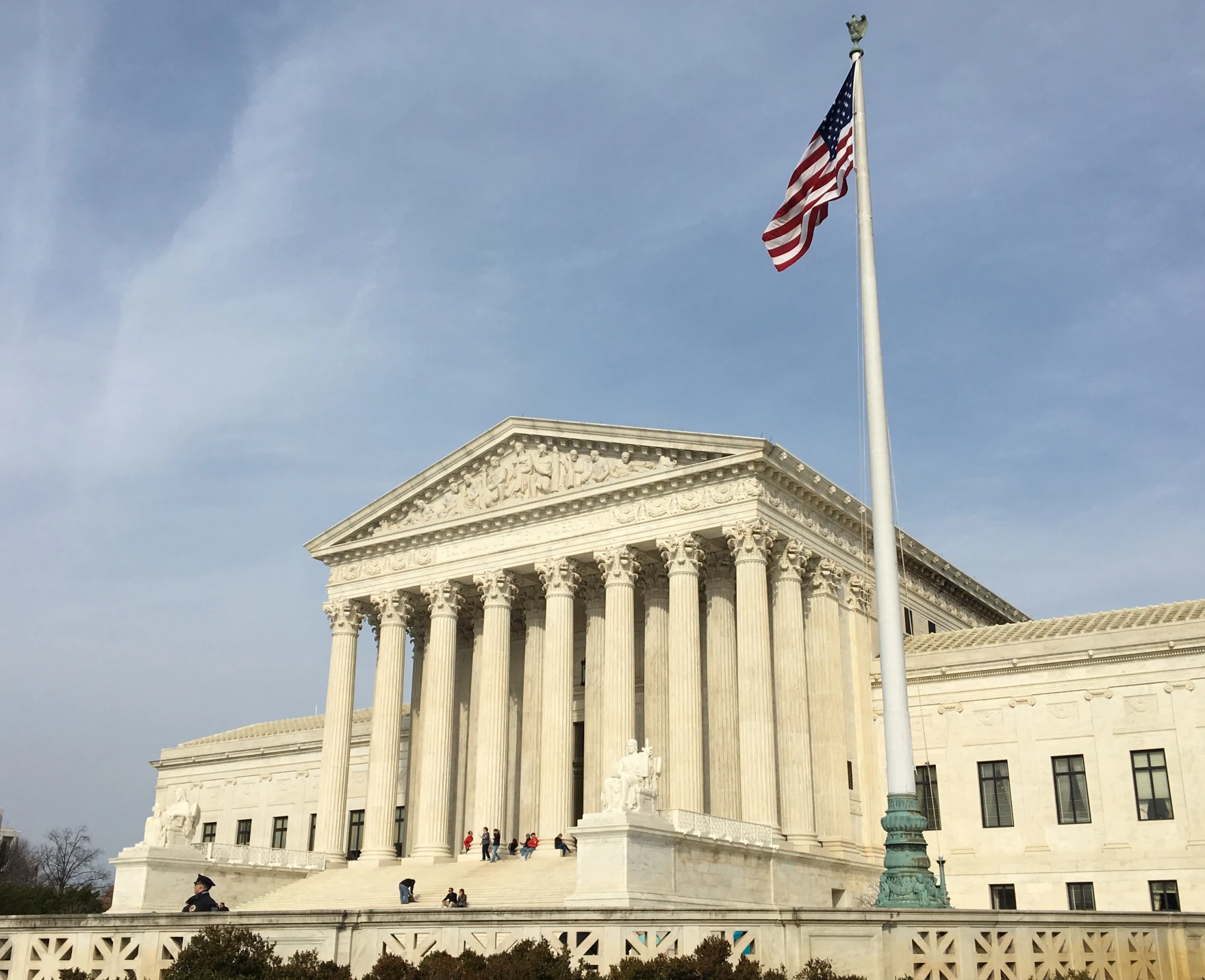
The U.S. Supreme Court’s recent decision to decline hearing Delaware’s assault weapon ban case has left the controversial law intact, sparking both celebration and outrage. As debates on gun control rage across the nation, Delaware finds itself at the forefront of a contentious battle over Second Amendment rights and public safety.
A Landmark Decision—or a Missed Opportunity?
In 2022, Delaware enacted a law banning assault weapons and large-capacity magazines, triggering immediate legal challenges from the Delaware State Sportsmen’s Association (DSSA). The gun rights group argued the legislation violated both the U.S. and Delaware constitutions, but the Third Circuit Court of Appeals upheld the ban.
This week, the U.S. Supreme Court declined to intervene, leaving the Third Circuit’s decision as the final word. For gun safety advocates, this was a victory. But for gun rights proponents, it was a missed opportunity to address inconsistencies in how courts interpret Second Amendment rights.
The Supreme Court’s Silence Speaks Volumes
The refusal to hear the case raises critical questions:
- Judicial Consistency: The Third Circuit’s ruling conflicts with decisions in the Ninth Circuit, leaving a patchwork of legal interpretations. Should constitutional rights depend on geography?
- Avoidance or Strategy? By sidestepping these cases, is the Supreme Court dodging its responsibility to provide clarity, or is it strategically allowing lower courts to set precedent?
Gun Control: Progress or Overreach?
For gun control advocates, this decision affirms that assault weapon bans can withstand constitutional scrutiny. Traci Murphy, Executive Director of the Coalition for a Safer Delaware, heralded the decision as a victory for public safety, emphasizing that “there are indeed limits to the Second Amendment.”
But critics argue these laws are less about safety and more about political posturing:
- Efficacy in Question: Assault weapon bans are often criticized for targeting specific firearm features rather than addressing underlying causes of gun violence.
- Punishing Law-Abiding Citizens: Many gun owners feel these laws unfairly restrict their rights without effectively deterring crime.
A Win for Public Safety—or a Slippery Slope?
Attorney General Kathy Jennings called the decision a “huge win for gun safety,” citing the affirmation of Delaware’s law and similar victories in Maryland and Rhode Island. Yet, detractors see this as part of a broader erosion of Second Amendment protections.
Key concerns include:
- Permit-to-Purchase Laws: Delaware’s recently passed legislation requiring permits for gun purchases mirrors Maryland’s laws, which also faced Supreme Court rejection. Critics worry such measures disproportionately burden lawful gun owners.
- Precedent for Future Bans: If assault weapon bans are deemed constitutional, could this open the door for broader restrictions on firearms?
What’s Next for Gun Rights Advocates?
While this decision marks a setback for the DSSA, the fight is far from over. The group has vowed to continue challenging Delaware’s gun laws, including the permit-to-purchase requirement.
At the same time, the Supreme Court’s inaction signals that gun rights advocates may face an uphill battle in their quest for judicial relief. With growing divisions among federal appellate courts, the need for a definitive ruling on Second Amendment interpretations has never been clearer.
Conclusion: A Nation Divided
The Supreme Court’s decision—or lack thereof—on Delaware’s assault weapon ban is emblematic of a nation deeply divided over gun rights and safety. While some see this as a step toward curbing gun violence, others view it as a dangerous infringement on constitutional freedoms.
What’s your take? Is the assault weapon ban a necessary measure for public safety, or does it represent an overreach that undermines constitutional rights? Let us know in the comments below.