
The New Orleans ISIS-inspired vehicle attack that claimed 14 lives on New Year’s Day has sent shockwaves across the country, raising alarming questions about public safety and counterterrorism efforts. In the wake of this tragedy, the FBI and the Department of Homeland Security (DHS) have issued a nationwide warning, urging law enforcement and the public to remain vigilant against potential copycat attacks.
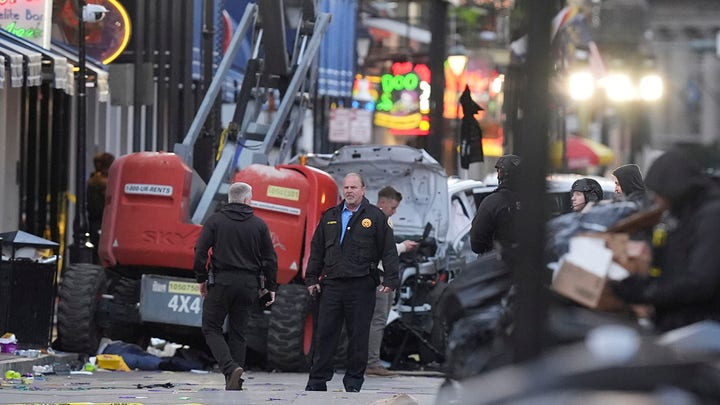
A Chilling Reminder of Vulnerability
The attack in New Orleans was not an isolated event but a grim reminder of how accessible and devastating vehicle-ramming incidents can be. Drawing from past cases, the FBI and DHS emphasized that such tactics are favored by extremists due to their simplicity and deadly impact.
From rented trucks to stolen cars, vehicles have become the weapon of choice for attackers motivated by foreign terrorist organizations (FTOs). The aftermath of these incidents often leaves communities grappling with trauma and law enforcement under scrutiny for lapses in prevention.
Are We Doing Enough to Prevent Copycat Attacks?
The recent public service announcement (PSA) issued to approximately 18,000 law enforcement agencies highlights a troubling reality: despite heightened security measures, vulnerabilities remain.
- Accessibility of Weapons: The PSA underscores how attackers often supplement vehicle ramming with firearms, knives, and improvised explosive devices (IEDs). The ease of acquiring these weapons adds layers of complexity to the threat.
- Soft Targets at Risk: Crowded public venues, festivals, and commercial centers accessible by roadways are prime targets. The lack of robust physical barriers in many of these locations amplifies the risk.
- Retaliatory Threats: The possibility of retaliatory or ideologically driven attacks casts a long shadow over efforts to maintain public safety.
Security Lapses Under Fire
The New Orleans attack has sparked a broader debate about security preparedness, with victims’ families filing lawsuits against the city for alleged lapses. Reports suggest that more proactive measures could have mitigated the scale of the tragedy.
- Surveillance Gaps: Were there missed red flags in monitoring the suspect’s activities?
- Response Times: Could faster intervention have reduced casualties?
- Infrastructure Deficiencies: Are crowded venues adequately equipped to prevent vehicle access during large gatherings?
These questions demand answers, not only to provide justice for victims but also to ensure future incidents are averted.
A Broader Call for Public Vigilance
The FBI and DHS’s warning serves as a sobering reminder that public awareness plays a crucial role in counterterrorism. The agencies urge citizens to report suspicious activity promptly, emphasizing that vigilance is a shared responsibility.
However, relying solely on public reporting raises critical concerns:
- Overburdened Law Enforcement: Are local agencies equipped to handle a surge in reported threats effectively?
- False Alarms vs. Real Threats: Striking a balance between caution and overreaction remains a challenge.
Moving Forward: Beyond Warnings
While federal agencies continue to issue alerts, the real question is whether such warnings translate into meaningful action. Concrete steps—such as enhancing urban planning to include more robust barriers, improving intelligence sharing among agencies, and addressing the root causes of radicalization—are essential.
But as it stands, the nation remains on edge, grappling with the aftermath of one tragedy while bracing for the possibility of another.
What are your thoughts? Should law enforcement adopt stricter preventative measures, or does this risk infringing on civil liberties? Share your perspective in the comments below.