
As Ireland and the UK Recover, One Must Question Whether We’re Prepared for the Rising Threat of Extreme Weather
A powerful storm, aptly named Storm Éowyn by weather authorities, tore through Ireland and Scotland this week, leaving a trail of destruction in its wake. With winds reaching record-breaking speeds, at least one life has been claimed, more than a million people have been left without power, and emergency crews are scrambling to clear debris. Trees have fallen across roads and railways, while severe damage has been inflicted on infrastructure, including power lines and a giant wind turbine. It’s a grim reminder of the destructive power of nature—and an alarming signal of the escalating climate crisis we may not be prepared to face.
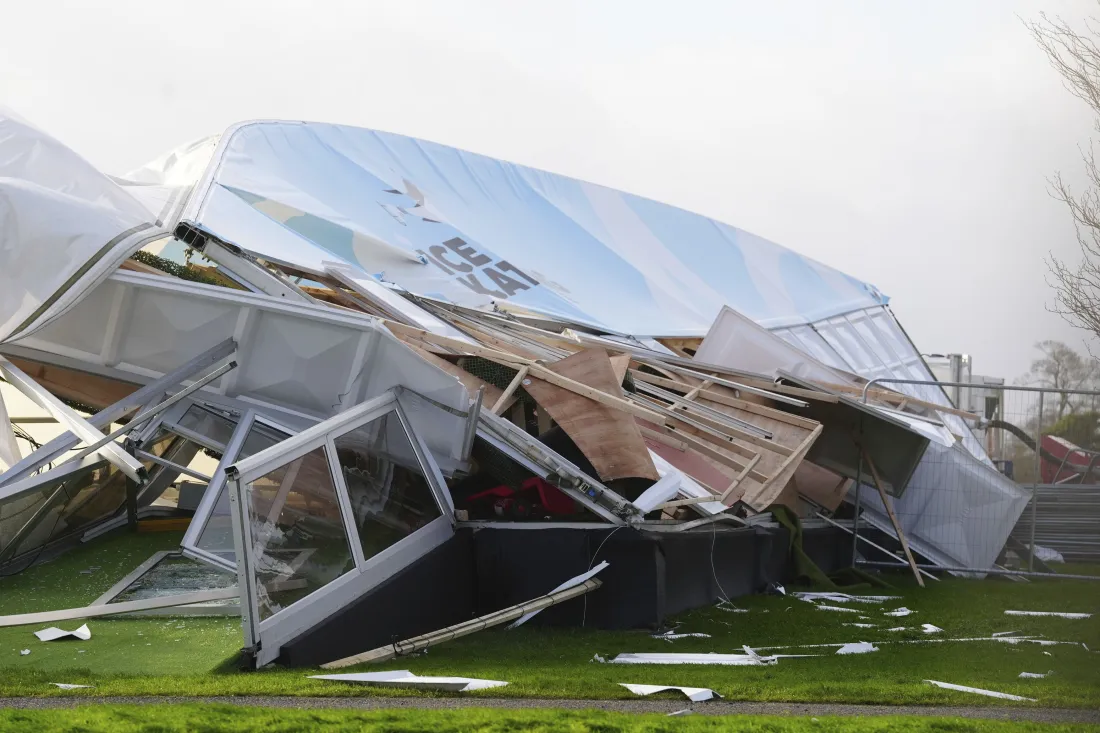
Record-Breaking Winds: How Long Until the Next One?
Storm Éowyn brought with it an unprecedented gust of 114 mph (183 kph) on the west coast of Ireland, breaking a record that had stood for nearly 80 years. While this may seem like a rare anomaly, the reality is that extreme weather events are becoming more frequent—and more intense. Experts have long warned that climate change would fuel such storms, but the question remains: are we ready for this new normal?
The damage caused by such extreme winds isn’t just inconvenient; it’s life-threatening. Roads are impassable, railways disrupted, and essential services like power and communication are severely compromised. As global temperatures rise, we can only expect more of these storms, and this raises a troubling concern: how many more communities will have to face the destruction of extreme weather before we take the necessary steps to mitigate the risks?
Falling Infrastructure: A Wake-Up Call for Resilience
The storm’s impact on infrastructure is a sobering reality. In Ireland, the damage was catastrophic: telephone poles snapped, a Dublin ice rink was destroyed, and even a massive wind turbine was toppled. These aren’t just minor inconveniences; they’re signs that our systems—be they energy, transport, or communication—are not equipped to withstand the frequency and intensity of these new, more powerful storms.
In particular, the failure of renewable energy infrastructure, like wind turbines, is a bitter irony. After years of touting wind energy as a key part of our sustainable future, it’s clear that even these technologies, which we’ve invested heavily in, may not be as resilient as we hoped. If wind turbines are getting torn down by record gusts, how can we expect other vulnerable infrastructures to hold up in the face of even more extreme weather?
Power Outages: Is Our Energy Grid Ready for the Climate Crisis?
More than a million people in Ireland and Scotland were left without power as Storm Éowyn made its devastating pass. While power outages are a common byproduct of severe storms, the scale of the disruption highlights a growing concern about the resilience of our energy grids. We live in an age where we rely heavily on electricity for nearly every aspect of our lives, yet it takes just one extreme weather event to send us back to the Dark Ages—literally.
The question must be asked: are we doing enough to fortify our energy infrastructure in anticipation of future storms? Many argue that we need to drastically overhaul our energy grids to make them more adaptable to climate change. Wind storms, floods, and extreme temperatures have shown us that a vulnerable energy grid leaves people exposed and unable to function in a modern, interconnected society.
The Human Cost: Storms, Deaths, and the Growing Crisis
At least one life has been lost in the aftermath of Storm Éowyn—a grim reminder of the real human toll that extreme weather events can take. While statistics on damages to property and infrastructure are important, the death toll is what truly reveals the scale of the crisis. As storms like Éowyn continue to grow in severity, more lives will inevitably be at risk.
What’s most troubling is the growing disconnect between the rising number of climate-related fatalities and the slow pace at which global leaders are responding to the crisis. Climate change is no longer a distant threat; it’s a reality that we’re experiencing today, with more extreme weather events causing death, displacement, and destruction. Yet governments around the world continue to bicker over policy changes, while communities like those in Ireland and Scotland are left picking up the pieces.
Looking Ahead: Can We Adapt Fast Enough?
The destruction left by Storm Éowyn may seem like just another chapter in a growing book of climate disasters, but it’s also a stark reminder that we are running out of time. As the effects of climate change become increasingly undeniable, it’s clear that we need to reimagine how we build and prepare for the future.
The reality is that we may not be able to stop the storms or undo the damage we’ve caused to the planet, but we can take steps to mitigate the damage and prepare our infrastructure and communities for what’s to come. This means investing in resilient energy grids, rethinking the way we design buildings and infrastructure, and taking bold action to address climate change before it’s too late.
Conclusion: The Cost of Inaction
As Ireland and the UK work to clean up in the aftermath of Storm Éowyn, the true cost of inaction becomes ever clearer. We can no longer ignore the fact that we are in the midst of a climate crisis. Storms like these will only become more frequent and more severe if we don’t act now.
The question is no longer whether we will face more extreme weather—it’s how we will respond when it strikes. Will we continue to put off the hard decisions, or will we take decisive action to ensure a more resilient and sustainable future? The clock is ticking, and every storm that sweeps through only serves as a painful reminder of the consequences of inaction.