
How Misinformation About ICE Agents at a School Fuels Anxiety Over Immigration Policy Changes
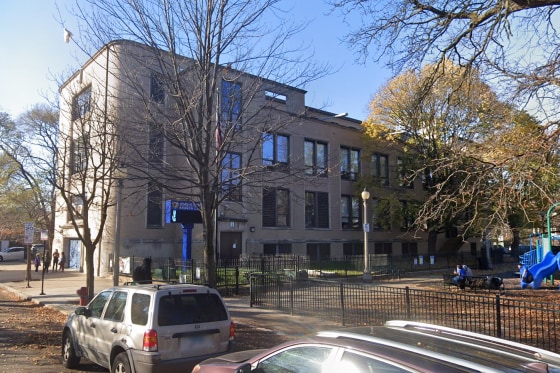
In a confusing turn of events, the Chicago school district recently made a headline-grabbing claim that ICE agents had arrived at one of its schools. The story caused immediate panic, especially within immigrant communities, who are already living in the shadow of heightened fears under a new administration. However, after the dust settled, it was revealed that the individuals in question weren’t ICE agents at all—they were, in fact, U.S. Secret Service officers investigating a threat related to the TikTok ban. This mix-up underscores a larger issue: how misinformation and misperceptions can amplify already existing anxieties surrounding immigration policy.
A Mistaken Identity That Stoked Public Fears
The initial announcement by the school district set off alarm bells. With the new administration promising stricter immigration policies, the possibility of ICE raids at schools was already a real concern for many. So, when news broke that ICE agents were supposedly on school grounds, it fed into this already volatile environment. In a city like Chicago, home to a large immigrant population, the fear of deportation has always been a sensitive topic, and this incident only intensified those anxieties.
The truth, as it turned out, was far less dramatic: the officers on-site were investigating a threat related to the TikTok app, not conducting an immigration raid. Still, the damage had been done. The school district’s initial misstep in identifying the agents has already created a ripple effect—one that may leave lasting scars on how immigrant communities perceive the safety of their children in schools.
Misinformation in an Age of Heightened Anxiety
In today’s world of hyper-connectivity, misinformation spreads like wildfire, often outpacing the truth. The Chicago school district’s incorrect identification of the agents isn’t just a simple mistake; it’s indicative of a much larger issue. The blend of sensationalism and misinformation is something that’s increasingly difficult to navigate, especially when dealing with issues as sensitive as immigration.
It’s easy to understand why a mistake like this could happen. The line between various law enforcement agencies—ICE, the Secret Service, and others—can often be blurred in high-stress, fast-paced situations. But when you're dealing with a population already on edge due to fears of deportation or government crackdowns, the stakes are higher. The Chicago school district, though it later retracted its statement, should have done more to ensure that accurate information was shared with the public from the start.
How the Administration’s Immigration Policies Impact Schools
This incident also sheds light on the broader context of what’s happening with U.S. immigration policies under the current administration. Schools are supposed to be safe havens for students, free from the influence of immigration enforcement. Yet, as the political climate continues to shift, many districts are grappling with how to respond to federal threats or mandates. The confusion over ICE’s supposed presence highlights the vulnerability of immigrant children, who are often the ones left to navigate the complexities of a system that seems intent on targeting their families.
While the U.S. Secret Service’s presence was not a case of immigration enforcement, the spectre of raids in schools under any federal agency is still very real. The question many are left with is this: how can we expect vulnerable communities to trust the systems meant to protect them if these agencies are consistently associated with fear and misinformation?
The Role of Schools in Protecting Students’ Rights
This incident also begs a crucial question about the role of schools in safeguarding the rights of their students. It’s no secret that schools, particularly in urban areas, are tasked with being the front lines of protection for immigrant families. But incidents like this reveal a disturbing lack of preparedness when it comes to properly identifying who is entering school grounds and why. Schools must be more vigilant about communicating with parents and ensuring that any encounters with law enforcement are transparent, accurate, and aligned with the rights of their students.
In the case of Chicago, the district’s swift retraction may have eased some fears, but it also revealed a flaw in the communication chain that could easily lead to further confusion. Whether it’s ICE, the Secret Service, or any other agency, schools must be equipped to handle these situations in a way that reassures families and demonstrates a commitment to their children’s safety and well-being.
A Wider Issue: Immigration Raids and the Impact on Communities
While the error in identifying law enforcement officers was eventually corrected, the fear it sparked remains. Many immigrant communities in Chicago are still dealing with the fallout from past administrations' aggressive immigration policies. It’s difficult for these communities to trust that they’re safe, even within the walls of a school. This is an unfortunate but very real reality for many who fear being separated from their families due to deportation.
The mere thought of an ICE agent stepping foot in a school is enough to create panic, regardless of whether the officers were there for immigration enforcement or some other reason. It’s part of the broader challenge of building trust between immigrant communities and the government—something that seems increasingly difficult given the mixed messages coming from the administration.
The Bigger Picture: Why Accurate Information Matters
Ultimately, this incident is a reminder of the importance of clear, accurate communication in times of crisis. Misinformation not only fuels unnecessary fear but also undermines the credibility of institutions that are meant to protect us. For schools, government agencies, and law enforcement, the stakes are incredibly high when it comes to getting the facts right.
The Chicago school district may have clarified the situation, but the damage is done. The lesson here is clear: misinformation in times of heightened anxiety can have long-lasting effects. Schools and public institutions must do better in their communication to ensure that communities can rely on them for safety and support, especially when it comes to sensitive issues like immigration.
Conclusion: Trust Can’t Be Restored Overnight
As the dust settles on the Chicago school district’s mistaken claim, the underlying issue remains: how do we rebuild trust in an environment where misinformation runs rampant? For immigrant families, the line between safety and fear is razor-thin, and every misstep in communication further deepens the divide. Only through transparent, accurate information can we start to heal the wounds caused by misinformation and regain the trust of vulnerable communities.