
As Donald Trump prepares to take office, his proposed policies on immigration and trade are raising red flags across the agricultural sector. Farmers like Joe Del Bosque of California’s San Joaquin Valley, a region often dotted with pro-Trump signs, are voicing concerns that these measures could disrupt the nation’s food supply, lead to skyrocketing prices, and create widespread shortages.
While these policies aim to bolster national security and domestic production, their potential unintended consequences paint a sobering picture of America’s agricultural future.
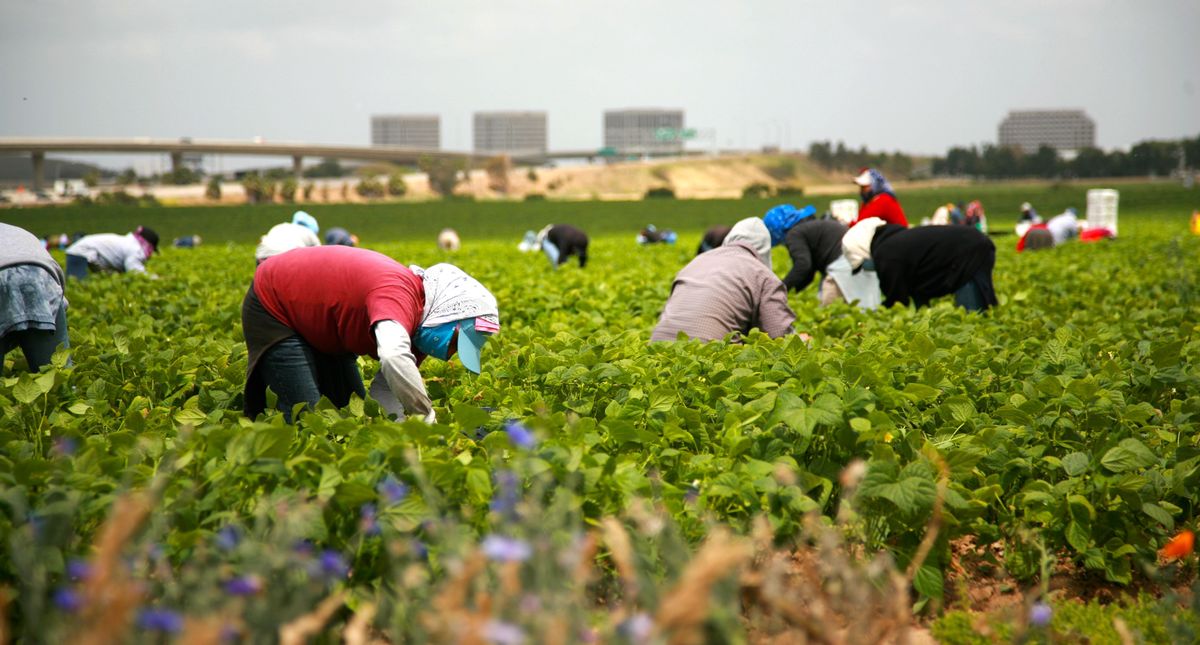
"Farms Will Come to a Stop": A Farmer's Dire Warning
Joe Del Bosque, a seasoned farmer, didn’t mince words when discussing the potential fallout of Trump’s proposed mass deportations. “We can’t have deportations here because it would disrupt our food supply,” he said in an interview.
This concern isn’t unwarranted. According to the U.S. Department of Labor, 44% of the nation’s 2.4 million farm laborers are undocumented immigrants. Their removal could leave farms without the workforce needed to plant, harvest, and process crops, crippling operations and jeopardizing the food supply chain.
“We will not be able to harvest our fruits and vegetables and nuts,” Del Bosque added. “That will interrupt the food chain for Americans and possibly increase food prices tremendously.”
Deportations and the Labor Crisis in Agriculture
Critics argue that deportations are a simplistic solution to a complex issue. Farmers and ranchers point out that many of the low-paying jobs in agriculture are ones Americans are unwilling to take. Without a reliable labor force, agricultural production will likely falter.
Tom Barcellos, a dairy farmer, highlighted the limitations of mechanization as a potential solution. While machines have taken over some tasks, like milking, they remain impractical for labor-intensive jobs like harvesting delicate fruits and vegetables. Mechanization, even if feasible, requires years of development and significant financial investment, leaving farmers in the lurch during a period of rapid policy changes.
Tariffs: A Hidden Tax on Everyday Essentials
Trump’s proposed tariffs—25% on imports from Mexico and Central America, and 10% on imports from other regions—add another layer of complexity. While intended to encourage domestic production, these tariffs could dramatically inflate the cost of imported goods, including fruits, vegetables, and other staples that rely on global supply chains.
CBS News reported that such tariffs could result in an immediate spike in food prices. Coupled with labor shortages, Americans might face not only higher grocery bills but also limited access to fresh produce, further straining households already grappling with inflation.
The Bigger Picture: The Fragility of the Food Supply Chain
The agricultural industry is the backbone of America’s food supply, yet it remains incredibly fragile. Policies that disrupt labor availability or trade relationships risk creating ripple effects that impact not just farmers but also consumers nationwide.
Del Bosque’s warning underscores the critical need for a nuanced approach to immigration and trade policies. “There are few, if any, issues more important than food supply and public health,” he wrote on social media. It’s a sentiment that highlights the intersection of economic stability and national security—a balance that policymakers must tread carefully to maintain.
Conclusion: What Lies Ahead for America’s Farms?
Trump’s promises of mass deportations and steep tariffs may resonate with certain voter bases, but they carry significant risks for the nation’s agricultural sector. As the U.S. faces the prospect of labor shortages and rising food prices, farmers like Del Bosque remind us of the vital role immigrant workers play in keeping our food supply stable and affordable.
In the quest for political wins, the unintended consequences of these policies could leave Americans paying the price—both literally and figuratively—at the grocery store.