
The Structural Collapse of a Retail Titan
Forever 21, once a dominant force in the fast-fashion industry, is now undergoing its second—and ostensibly final—bankruptcy, marking the dissolution of its U.S. operations. The brand’s downfall reflects not only the heightened competition from digital-native, ultra-low-cost foreign retailers but also deeper structural deficiencies within its operational model. While economic downturns and shifting consumer preferences have exacerbated its struggles, the central question remains: was this collapse inevitable due to macroeconomic forces, or did Forever 21's failure stem from an inability to evolve with the industry?
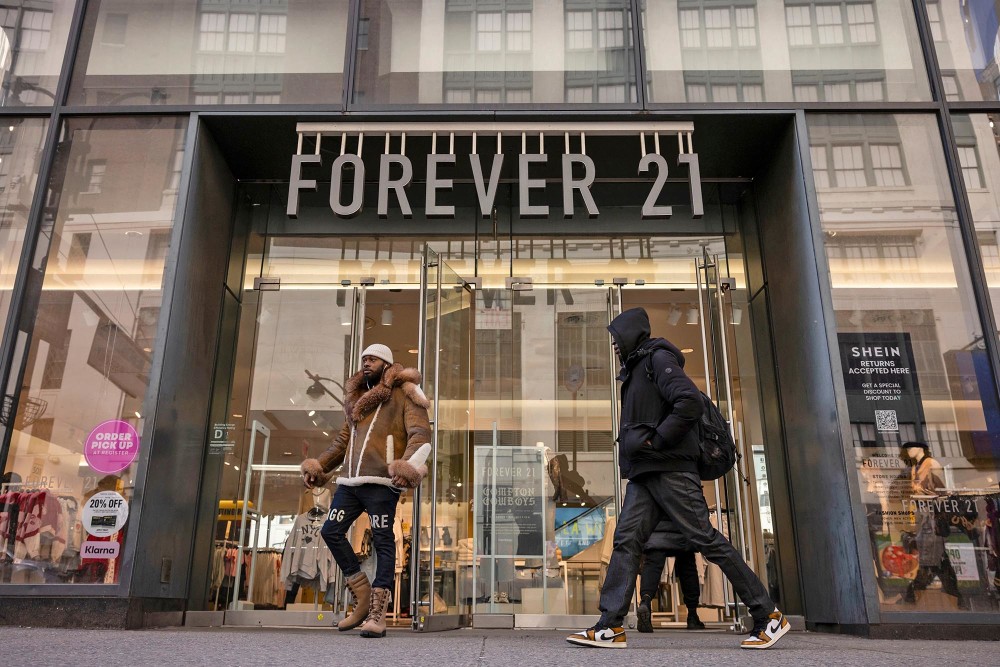
Market Disruptions: E-Commerce and Consumer Behavioral Shifts
Originally founded in 1984, Forever 21 epitomized the pinnacle of accessible, trend-driven fashion. By 2015, it had achieved annual sales exceeding $4 billion. However, consumer purchasing habits have undergone a radical transformation in recent years. The ascendance of e-commerce behemoths such as Shein and Temu, whose business models leverage streamlined supply chains and direct-to-consumer logistics, created a formidable competitive landscape. These entities circumvent traditional retail constraints, offering expedited shipping and lower price points, often at the expense of domestic market stability.
Additionally, the decline of shopping mall foot traffic has eroded the viability of Forever 21’s traditional business model. Despite various initiatives aimed at modernizing its digital presence, the company struggled to adapt, leaving it vulnerable to market attrition.
Trade Policy and Economic Disparities: The De Minimis Loophole’s Role
A critical factor in Forever 21’s inability to maintain market relevance lies in the economic asymmetries facilitated by U.S. trade policy. The "de minimis" provision, which permits goods valued under $800 to bypass import tariffs and regulatory scrutiny, has provided international competitors, particularly those based in China, with a significant pricing advantage. Despite intermittent regulatory attempts to address these inequities, foreign fast-fashion juggernauts continue to capitalize on this loophole, saturating the U.S. market with low-cost alternatives that significantly undercut domestic retailers.
With inflation constraining discretionary spending and broader economic volatility influencing consumer confidence, retailers with outdated operational models—such as Forever 21—have found themselves unable to compete in an increasingly hostile economic environment.
The Inevitable Decline of a Brand That Failed to Evolve
Forever 21’s failure extends beyond external economic forces; it underscores a fundamental issue in brand identity and innovation. Whereas previous generations found affinity with the retailer’s affordability and trend-centric offerings, Gen Z consumers prioritize sustainability, individuality, and seamless digital integration—areas in which Forever 21 remained markedly deficient.
The company’s 2019 bankruptcy and subsequent acquisition by Authentic Brands were insufficient to rectify its long-standing deficiencies. Its inability to modernize its business model and align with contemporary consumer values rendered it obsolete in a rapidly evolving retail landscape.
The Future of Fashion Retail: End of an Era or a Call for Reinvention?
The dissolution of Forever 21 poses larger existential questions for the broader retail industry:
- Is it possible for any legacy fashion retailer to sustain relevance without full-scale digital transformation?
- Will traditional brick-and-mortar commerce persist, or is its decline an irreversible trajectory?
- Should regulatory frameworks be restructured to create a level playing field between domestic retailers and international e-commerce platforms?
Forever 21’s downfall is not merely a singular corporate failure—it is emblematic of an industry-wide paradigm shift. For brands unwilling or unable to adapt to the technological and economic realities of contemporary consumerism, obsolescence remains the only certainty.