
Philadelphia was set to bask in the glory of another Super Bowl victory. Fans poured into the streets, green and white confetti rained down, and the city’s beloved Eagles took center stage. But amid the celebrations, violence struck—again.
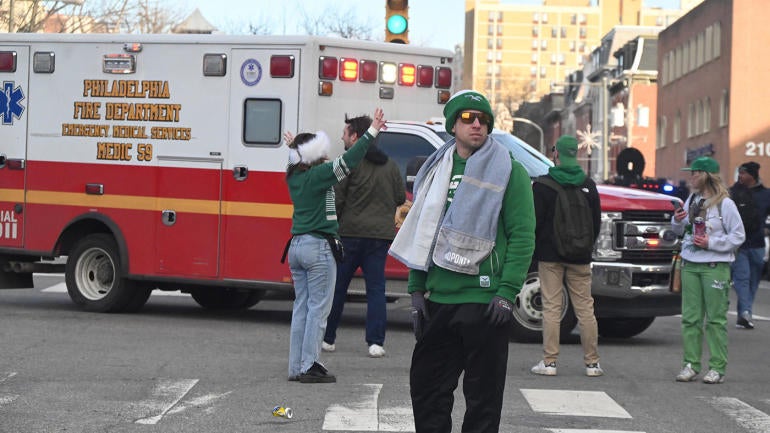
Two women were shot near a bathroom line during the Eagles' championship parade, marking the second consecutive year that a Super Bowl celebration in the U.S. has been marred by gunfire. This raises an unsettling question: Have victory parades become dangerous battlegrounds rather than joyous gatherings?
What Happened at the Eagles' Super Bowl Parade?
According to police reports, the shooting occurred along Benjamin Franklin Parkway, just blocks away from where Eagles players were delivering speeches. The victims—a 27-year-old woman and a 20-year-old bystander—were struck by gunfire following a dispute in a bathroom line.
The 27-year-old and her boyfriend allegedly attempted to cut in line, sparking an argument that quickly escalated into physical violence. At some point, a man wearing an Eagles jersey pulled out a firearm and opened fire.
Both women were rushed to Penn Presbyterian Hospital and are currently in stable condition. No arrests have been made, and police are still searching for the shooter.
Is This the New Normal for Championship Celebrations?
If this incident feels like déjà vu, that’s because it is. Just last year, the Kansas City Chiefs’ Super Bowl parade turned into a nightmare when gunfire erupted, killing one person and injuring 22 others. Two men were later charged with murder in that case.
It’s hard to ignore the disturbing pattern forming here: Super Bowl celebrations—once the pinnacle of sports fandom—are now being associated with mass panic and violence. The question is, why?
Several factors contribute to the growing sense of unease at large-scale public events:
- Crowd Size and Tension – Massive gatherings always carry risks, and when emotions run high, minor altercations can escalate quickly.
- Easy Access to Firearms – The ability for individuals to carry and use weapons in public spaces remains a pressing issue.
- Lack of Adequate Security Measures – While police presence is typically strong, it’s impossible to monitor every potential threat in a crowd of thousands.
How Can Cities Make Parades Safer?
If Super Bowl celebrations are becoming synonymous with violence, it’s time for city officials to rethink security strategies. Here are a few possible measures that could help:
- Stronger Screening Measures – Implementing security checkpoints similar to those at stadiums could prevent weapons from entering parade routes.
- Increased Surveillance – More cameras and real-time monitoring could help law enforcement respond to threats before they escalate.
- Zero-Tolerance Policies for Violence – Enforcing stricter penalties for altercations at public events could deter aggressive behavior.
While no security plan is foolproof, cities must take proactive steps to ensure that celebrating a championship doesn’t come with the risk of injury—or worse.
A Celebration Overshadowed by Tragedy
The Eagles' Super Bowl victory should have been a moment of pure joy for Philadelphia. Instead, it was another painful reminder that no public gathering is immune to violence.
As fans, we have to ask: What will it take for sports celebrations to be safe again? And more importantly, how many more incidents like this will it take before meaningful change happens?