
Justice or Political Maneuvering? The Shocking Dismissal of Charges Against NYC Mayor Eric Adams
The U.S. Justice Department’s abrupt decision to drop corruption charges against New York City Mayor Eric Adams has raised more questions than answers. Was this a legitimate reassessment of a weak case, or a blatant display of political favoritism? With top federal prosecutors resigning in protest, the controversy is shaking public confidence in the justice system.
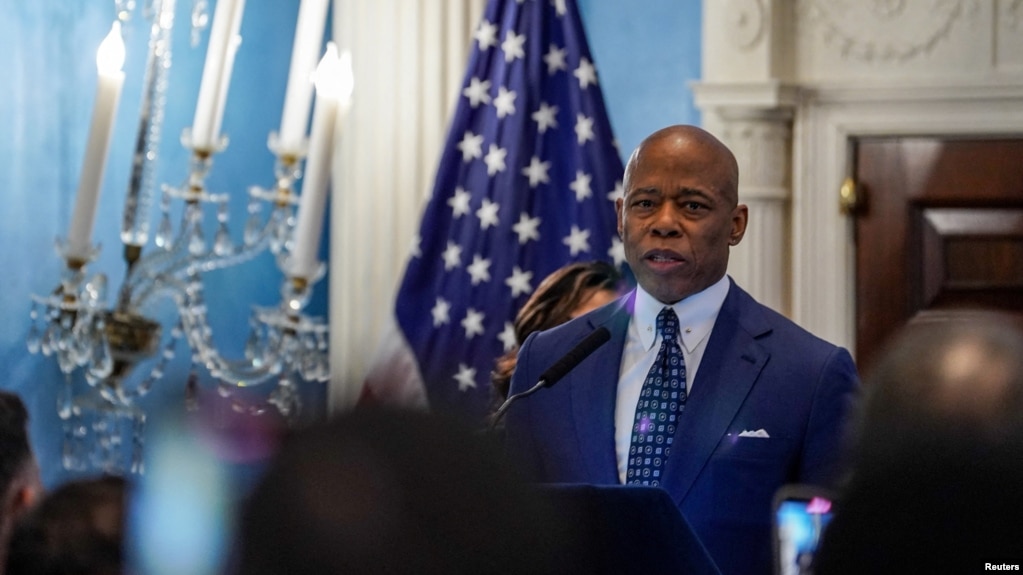
Why Were the Charges Against Adams Dropped?
Mayor Eric Adams was accused of accepting over $100,000 in illegal campaign contributions and lavish travel perks from foreign nationals while serving as Brooklyn borough president. The case was moving toward trial when Acting Deputy Attorney General Emil Bove—appointed under President Trump—ordered its dismissal, citing concerns that the prosecution could interfere with Adams’ ability to govern.
But does this reasoning hold up? If public officials are allowed to avoid prosecution simply because they hold office, what does that say about accountability?
Prosecutors Resign in Protest: A Sign of a Deeply Flawed Decision?
Perhaps the most damning aspect of this case is the mass exodus of prosecutors who refused to comply with Bove’s order. At least seven high-ranking officials resigned, including interim Manhattan U.S. Attorney Danielle Sassoon, who had been leading the case.
Hagan Scotten, a key prosecutor, condemned Bove’s actions in a scathing resignation letter, writing:
“No system of ordered liberty can allow the Government to use the carrot of dismissing charges, or the stick of threatening to bring them again, to induce an elected official to support its policy objectives."
If those closest to the case felt so strongly that justice was being compromised, how can the public be expected to trust the outcome?
Was the Case Politicized from the Start?
Adding another layer of controversy, Bove reportedly pressured prosecutors to drop the case, even offering promotions to those who complied. This has sparked concerns that the dismissal wasn’t about legal integrity, but about securing Adams’ cooperation with Trump’s immigration policies.
Is this a dangerous precedent where political loyalty outweighs the rule of law? If charges can be dismissed based on political convenience, what stops other high-profile politicians from using their influence to escape accountability?
Eric Adams’ Political Tightrope: A Strategic Alliance with Trump?
Adams, a Democrat with past ties to the Republican Party, has recently formed an unlikely alliance with Trump, even visiting him at his Florida golf club. Trump himself has criticized the case against Adams and even hinted at a possible pardon.
Could this newfound relationship have played a role in the case’s dismissal? Adams has denied any “quid pro quo” deal, but skepticism remains. If political connections can erase corruption charges, what does that mean for future cases?
What Happens Next? A Dangerous Precedent for Justice
While the Justice Department claims it may refile the charges after the election, this move raises serious concerns about selective prosecution. If the evidence is strong enough to justify a trial, why not proceed now?
Judges in past cases have rejected politically motivated dismissals, and Judge Dale E. Ho may choose to scrutinize the Justice Department’s reasoning. But will judicial oversight be enough to restore public trust?
Final Thoughts: Justice for Sale?
The sudden dismissal of corruption charges against Eric Adams has left the public with more questions than answers. Was this about legal fairness, or a political calculation?
If top prosecutors are willing to resign rather than participate in what they see as a miscarriage of justice, can Americans continue to trust that the legal system serves the people—not the powerful?