
In a move that surprised no one yet sent shockwaves through Washington, President Donald Trump followed through on his promise to dismiss the head of the National Archives, Colleen Shogan. The abrupt firing, confirmed by White House officials, raises pressing questions about the politicisation of government agencies, the erosion of institutional independence, and whether this is just the beginning of a broader purge.
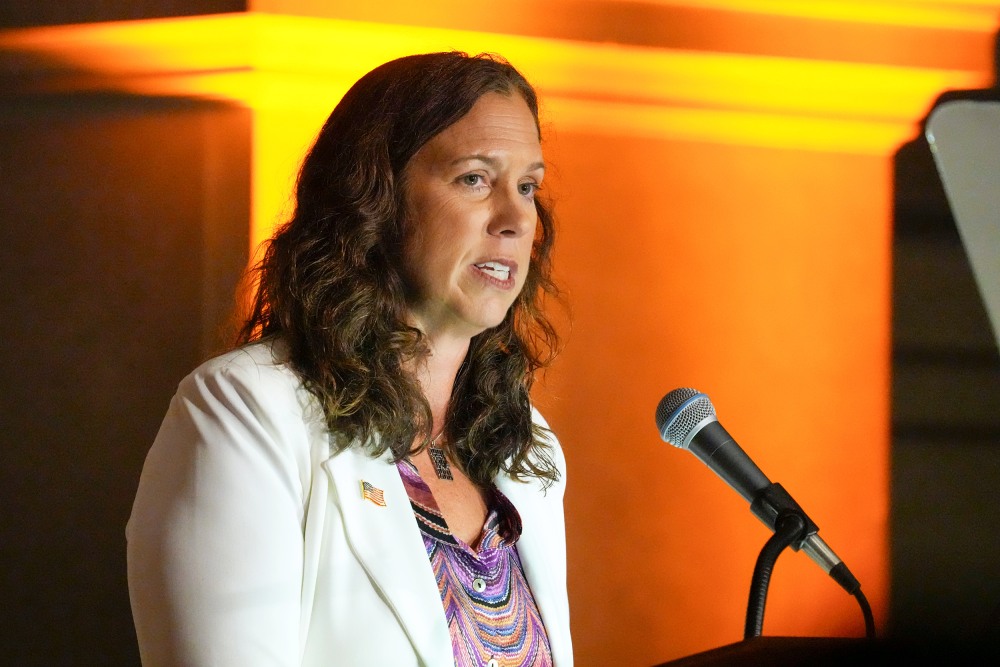
A ‘Loyalty Test’ for the National Archives?
Trump has long had a contentious relationship with the National Archives, given its central role in the classified documents case that once threatened his political future. Shogan herself wasn’t in charge when the agency flagged Trump’s failure to return sensitive records, but that didn’t seem to matter. Her dismissal feels less like routine administration reshuffling and more like a warning shot—a signal that those who don’t fall in line will be shown the door.
This raises a fundamental concern: Is the National Archives, an institution meant to safeguard America’s historical record, now just another political battleground?
A Pattern of Retaliation?
Shogan isn’t the only one facing the axe. Since taking office, Trump’s administration has systematically removed officials who were involved in investigations against him—senior Justice Department lawyers, FBI officials, and now the National Archivist. The message is clear: Those who cross Trump, even in nonpartisan roles, will not be spared.
This trend isn’t just concerning for those within the federal workforce—it has profound implications for the integrity of government institutions. If independent agencies are purged of professionals simply for doing their jobs, can they be trusted to operate without political interference?
Rewriting the Narrative, One Firing at a Time
Shogan’s dismissal is part of a larger strategy: controlling the historical record. The National Archives plays a crucial role in preserving government documents, including those from Trump’s previous and current administrations. By installing a more loyal archivist, Trump could potentially exert influence over what information becomes accessible to the public in the future.
Could this lead to selective archiving, missing records, or delays in releasing documents that might cast Trump in a negative light? It’s not just speculation—Trump has openly clashed with institutions responsible for government transparency before, so there’s little reason to believe he won’t attempt to reshape the archives in his favour.
The Bigger Picture: Is This the New Normal?
This latest firing should serve as a wake-up call. If federal institutions can be so easily reshaped to fit a leader’s personal agenda, what’s next? The Justice Department? The intelligence agencies? The courts? The more Trump consolidates control over key agencies, the harder it becomes to separate governance from self-preservation.
Shogan’s response was brief but telling: “I have zero regrets—I absolutely did my best every day for the National Archives and the American people.” Her dismissal might not make headlines for long, but it will likely have lasting consequences on how history is recorded—and who gets to control that narrative.
As the dust settles, one thing is clear: This is not just about one archivist losing her job. It’s about whether America’s institutions can withstand yet another round of political strong-arming—or whether they’re being reshaped in Trump’s image, one dismissal at a time.