
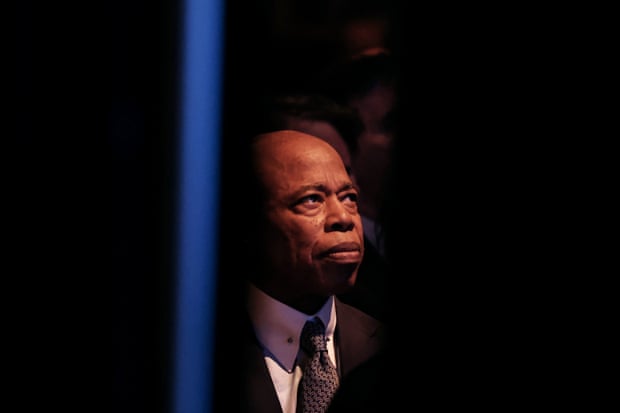
The unfolding drama surrounding the corruption case against New York Mayor Eric Adams is more than just a legal battle—it’s a high-stakes political chess match exposing deep fractures within the U.S. Justice Department. With a mass exodus of prosecutors, allegations of political interference, and whispers of a quid pro quo, this saga raises an unsettling question: Has justice become a casualty of political maneuvering?
A Legal Case or a Political Bargaining Chip?
At the heart of the controversy is the Justice Department’s sudden reversal on Adams’ indictment, which included serious charges like bribery, fraud, and soliciting illegal foreign contributions. The move came after immense pressure from Trump administration officials, with the justification being that the case impeded Adams’ ability to cooperate with immigration enforcement.
This rationale, however, has raised eyebrows among legal experts. Was the case dismissed because of weak evidence, or was it sacrificed on the altar of political convenience? Prosecutors who resigned in protest seem to believe the latter. Danielle Sassoon, the acting U.S. Attorney for the Southern District of New York, openly accused top Justice Department officials of orchestrating a backroom deal to protect Adams in exchange for his support on immigration policies.
If true, this isn’t just an unusual legal decision—it’s a fundamental breach of prosecutorial independence.
Mass Resignations: A Crisis of Integrity
Perhaps the most telling sign of wrongdoing is the sheer number of resignations. Seven high-ranking prosecutors—including the head of the public integrity section and the acting U.S. Attorney—chose to walk away rather than participate in what they saw as a blatant miscarriage of justice.
Career prosecutors rarely resign en masse unless they believe something profoundly unethical is at play. Their departures send a clear message: The Justice Department’s integrity is under siege.
Among the most striking moments was prosecutor Hagan Scotten’s resignation letter, in which he warned that someone, out of “foolishness or cowardice,” would ultimately sign off on the dismissal. His words reflect a growing unease within legal circles about the increasing politicization of federal prosecutions.
The Role of Eric Adams: Victim or Beneficiary?
Eric Adams, for his part, has categorically denied any involvement in a quid pro quo arrangement. His lawyer, Alex Spiro, has dismissed the accusations as baseless, insisting that Adams was merely asked whether his case had implications for national security and immigration enforcement.
However, the timing of the dismissal and the aggressive efforts to quash the case cast doubt on this narrative. If Adams truly had no leverage, why was there such urgency in dropping the charges? And why did top prosecutors feel compelled to resign in protest?
It’s worth noting that the original prosecution team was reportedly preparing to add obstruction of justice charges to the case—suggesting that new evidence might have been emerging. If this case had gone forward, what else might have come to light?
The Bigger Picture: A Dangerous Precedent
The fallout from this case extends far beyond Adams himself. If political pressure can successfully force the Justice Department to abandon a high-profile corruption case, what does that say about the rule of law in America?
This isn’t just about one mayor—it’s about whether justice is being applied equally or wielded as a political weapon. If prosecutors can be strong-armed into dropping cases based on political expediency rather than legal merit, it signals a dangerous erosion of independent law enforcement.
The Adams case has exposed cracks in the Justice Department that go beyond party lines. Whether you see Adams as a scapegoat or a beneficiary of corruption, one thing is clear: The American legal system is at an inflection point, and the choices made in this case will reverberate for years to come.
What happens next will determine whether justice still has a fighting chance—or whether it’s become just another bargaining chip in the political arena.