
For over a century, the Boy Scouts of America (BSA) stood as a symbol of tradition, discipline, and outdoor adventure. But as of February 8, 2025, the organisation has officially rebranded as Scouting America—a move that’s being hailed by some as progress and dismissed by others as a frantic bid for survival.
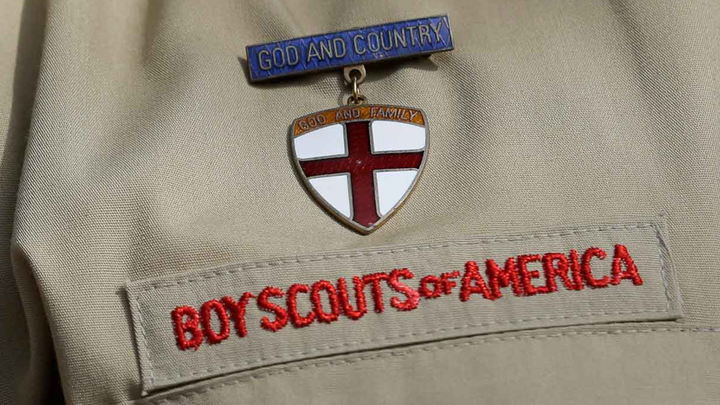
This name change is more than just a cosmetic tweak; it represents the culmination of a years-long identity crisis within the organisation. But does this shift truly reflect a modernised vision for youth development, or is it simply an act of damage control for a group that’s been struggling to stay afloat?
Rebranding in the Wake of Declining Membership
The timing of this name change is no coincidence. The BSA has been bleeding members for years, and the COVID-19 pandemic only accelerated the decline. Membership once exceeded 4 million in the early 2000s, yet today it hovers just above 1 million. The organisation is desperate to attract new recruits—and a gender-neutral name is their latest attempt to appear more inclusive.
This shift follows a series of controversial policy changes, including allowing gay youth (2013), gay adult leaders (2015), and girls (2018) to join. These moves were seen as progressive steps by some, but to traditionalists, they represented the erosion of what once made the Boy Scouts unique.
Does a Name Change Fix the Problem?
Let’s be honest: a rebrand alone doesn’t erase deep-rooted issues. The Boy Scouts' biggest struggles stem from legal troubles, financial instability, and shifting societal values.
- Bankruptcy and Lawsuits: The organisation was hit with a massive $2.4 billion bankruptcy settlement due to thousands of sexual abuse claims. While Scouting America insists it is committed to safety, the damage to its reputation remains significant.
- Competition from Other Activities: In today’s world, kids have a plethora of extracurricular options. Video games, sports, and STEM programs often hold more appeal than earning badges in traditional scouting.
- Loss of Core Identity: By shifting towards inclusivity, the organisation risks alienating long-time members and supporters who valued its original mission.
Is Inclusivity a Strength or a Weakness?
On paper, opening the doors to all genders and orientations sounds like progress. But in practice, it’s been met with resistance. Girl Scouts of America sued BSA for allegedly poaching recruits, and many former members believe that the unique, all-male camaraderie that once defined the Boy Scouts is now lost.
Furthermore, despite efforts to appeal to a broader audience, membership hasn’t skyrocketed. In fact, it’s been a slow climb back from the devastating COVID-era losses. 15,000 new members is a drop in the bucket compared to the millions who have walked away over the years.
Final Verdict: A Last-Ditch Effort?
Changing the name to Scouting America may give the illusion of evolution, but it won’t solve the deeper issues plaguing the organisation. While leadership tries to spin this as a “pivotal moment,” it seems more like a desperate act to stay relevant in a world that’s moved on.
The real question isn’t whether the name change will work—it’s whether there’s anything left to save.