
Disrupted Lives, Dangerous Roads, and the Costs of Ignoring the Climate’s Warning Signs
When the South gets snow, it’s often treated as a novelty—kids building snowmen, social media filled with icy landscapes, and adults scrambling to find snow boots buried deep in closets. But this time, the biting cold and relentless snow brought by a powerful winter storm have left little room for lightheartedness. From gridlocked airports to treacherous roads and widespread power outages, the storm has laid bare a troubling reality: the region remains woefully unprepared for extreme weather events.
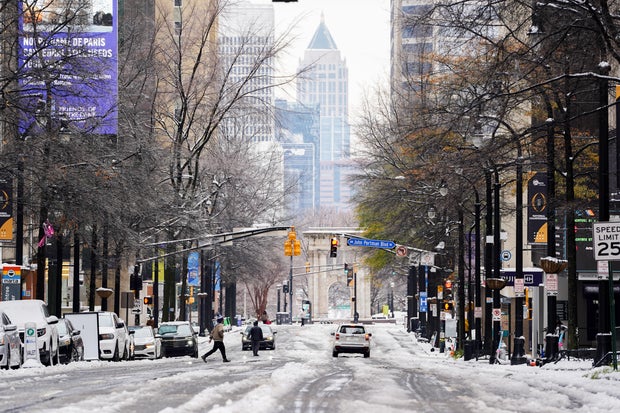
Southern Winters Are No Longer Predictable
For much of the Southern U.S., winters have historically been mild, with only occasional brushes with snow or freezing temperatures. But as the storm piled up feet of snow from Texas to the Carolinas, breaking decades-long snowfall records in cities like Little Rock and Memphis, it became clear that these “freak” events are becoming more common.
The polar vortex, which brought freezing rain, snow, and power outages, is not an isolated occurrence. Experts suggest that climate change, paradoxically, is making these cold snaps more frequent and intense. Yet, regional infrastructure—from power grids to transportation systems—seems locked in denial, perpetually caught off guard.
Chaos at Every Turn: Travel and Daily Life Disrupted
For many, the storm’s impact wasn’t just a headline—it was deeply personal.
Take Sarah Waithera Wanyoike, who spent hours stranded at Atlanta’s Hartsfield-Jackson Airport as her Ethiopian Airlines flight taxied endlessly before passengers were forced to disembark. Her luggage remained trapped on the plane, and she couldn’t risk leaving the airport, given the precarious conditions.
“People slept with their babies on the floors last night,” Wanyoike shared. Her experience is a chilling reminder of how quickly an infrastructure breakdown can upend lives, particularly for those already in vulnerable situations.
Elsewhere, roads turned into ice rinks, forcing school closures across multiple states. While children may have rejoiced at unexpected snow days, the economic and logistical toll on families—especially those without access to childcare—was significant.
Unprepared Power Grids and Fragile Communities
The storm knocked out power for over 110,000 people in Georgia alone, with thousands more in Tennessee, North Carolina, and Arkansas enduring freezing temperatures without heat. While many outages were resolved within hours, the storm exposed a familiar vulnerability: the fragility of Southern power grids.
Despite the lessons of past weather disasters, including Texas’s infamous grid failure during a 2021 freeze, many states continue to lag in weatherproofing their energy infrastructure. Why are we still playing catch-up when these events are no longer anomalies?
Are We Learning the Wrong Lessons?
While communities rallied to dig out sidewalks, reopen churches, and support neighbors, the broader response to the storm reveals a troubling pattern: reactive measures instead of proactive preparation.
Declaring states of emergency, mobilizing the National Guard, and canceling flights are essential steps during a crisis, but they don’t address the systemic issues that make these storms so devastating. Why aren’t more resources being allocated to upgrading infrastructure, improving road safety, and educating communities about climate resilience?
Climate Change’s Stark Warning
The timing of the storm is ironic, coinciding with January wildfires tearing through Los Angeles. Together, these events underscore the unpredictable extremes of a warming planet. While the South froze, California burned—a grim juxtaposition that illustrates the climate’s growing volatility.
These polar vortex events, driven in part by disruptions to the Arctic jet stream, are a wake-up call. They challenge the misconception that colder winters mean climate change isn’t real. Instead, they highlight the intricate and far-reaching impacts of a warming world.
The Cost of Ignoring the Inevitable
Every snowstorm in the South brings headlines about snarled traffic, power outages, and airport chaos. But at what point does this cycle of unpreparedness become unacceptable?
Cities like Atlanta and Little Rock, which saw snowfall far exceeding yearly averages, can no longer afford to treat these storms as once-in-a-decade occurrences. Investing in resilient infrastructure and educating residents about extreme weather preparedness should be non-negotiable priorities.
Conclusion: A Call for Action Amid the Snowfall
As the Southern U.S. digs out from the latest winter storm, it’s time to ask tough questions. How many more disruptions, accidents, and power outages will it take before we treat these events as the new normal?
This storm wasn’t just a weather event—it was a warning. And ignoring it may cost us more than a few snow days. It’s time to move beyond reactionary measures and build a future where a snowstorm doesn’t bring life to a standstill. The clock is ticking, and the next storm won’t wait for us to catch up.