
The world of sports often celebrates intense passion and unwavering fandom, but what happens when that devotion turns dark? The recent arrest of Michael Lewis, a 55-year-old man from Texas, on charges of stalking WNBA star Caitlin Clark is a chilling reminder of the darker side of celebrity culture. As details of the case emerge, the incident raises unsettling questions about safety, accountability, and the burden public figures bear in the digital age.
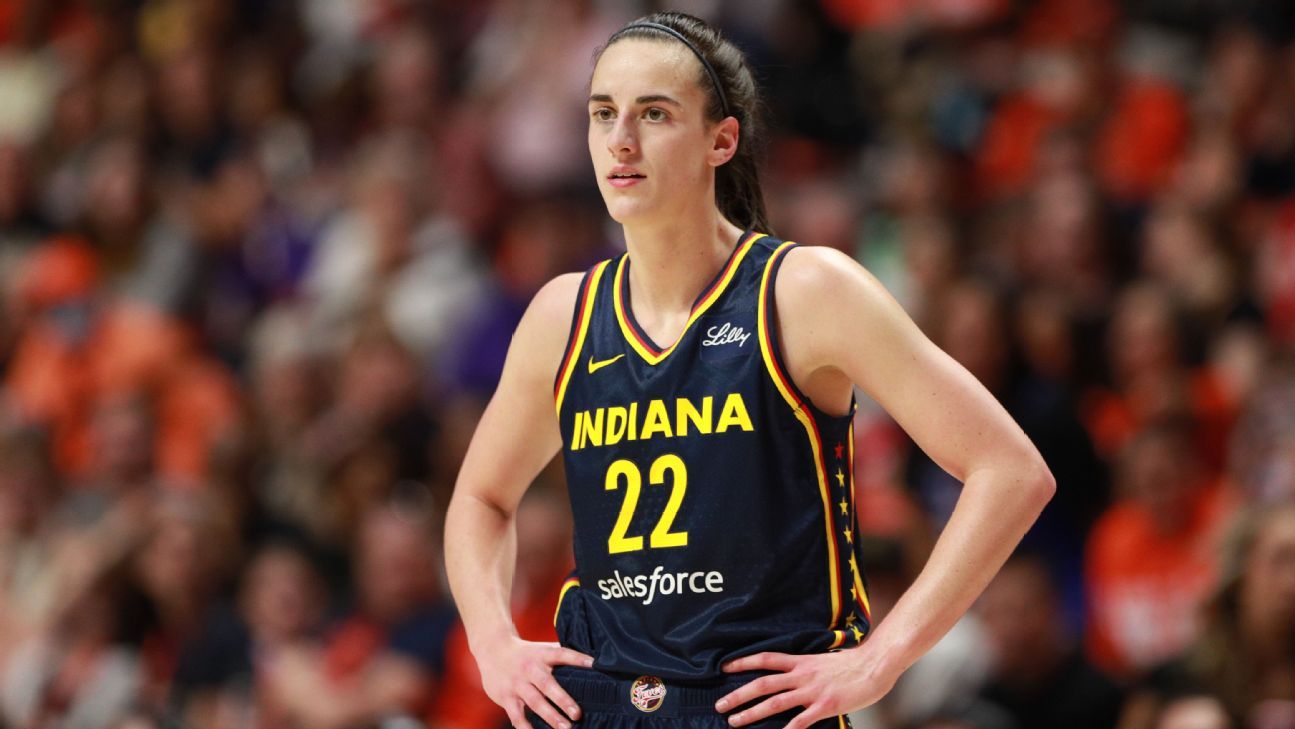
Crossing the Line: From Fan to Stalker
Caitlin Clark, the Indiana Fever’s standout rookie and WNBA Rookie of the Year, found herself at the center of a terrifying ordeal. Over several weeks, Lewis sent her a series of messages ranging from disturbing threats to sexually violent content through social media. The relentless nature of these messages left Clark feeling “terrorized, frightened, and intimidated,” forcing her to alter her public appearance in an attempt to feel safer.
The escalation reached its peak when Lewis traveled to Indianapolis, where police ultimately arrested him. Despite prior warnings to cease his behavior, he dismissed his actions as a “joke” or “fantasy.” Such excuses not only trivialize the harm inflicted but also highlight a broader issue: the normalization of boundary violations in online spaces.
The Perils of Digital Accessibility
Social media has created an unprecedented level of accessibility between fans and public figures. While this connectivity can foster community and engagement, it also opens doors for misuse. The anonymity and distance provided by platforms often embolden individuals to engage in behavior they would likely avoid in person.
In Clark’s case, the digital threats became a physical reality when her stalker arrived in her city. This transition from online harassment to in-person danger is a stark reminder of the very real consequences of virtual actions.
A Legal System Struggling to Keep Up
Although the swift response by law enforcement in this case is commendable, it also underscores the reactive nature of the current system. Despite initial warnings, Lewis continued his behavior until his arrest—a pattern often seen in stalking cases.
Moreover, Clark’s courage to report her stalker stands out in a landscape where many victims remain silent due to fear of disbelief or retaliation. Marion County Prosecutor Ryan Mears emphasized the importance of her actions, stating, “It takes a lot of courage for women to come forward in these cases, which is why many don’t.”
The justice system must shift from reactionary measures to proactive protections. Stricter monitoring of online threats and more robust enforcement of restraining orders could serve as deterrents for potential offenders.
The Mental and Emotional Toll on Public Figures
Clark’s ordeal is not an isolated incident. Similar cases, like the stalking of UConn star Paige Bueckers, highlight the pervasive nature of such threats in professional sports. For athletes like Clark, who should be celebrated for their talent and dedication, these incidents transform a career of public triumphs into one shadowed by fear.
The mental toll of constantly feeling unsafe—both online and offline—cannot be overstated. Public figures deserve the freedom to live and work without fearing for their safety, yet the burden of addressing these threats often falls disproportionately on the victims themselves.
Addressing the Root Cause: A Cultural Shift
While legal measures and stricter social media policies are essential, they address only the symptoms of a larger issue. At its core, the problem lies in a culture that often blurs the lines between admiration and entitlement.
Fans must be reminded that their access to athletes and public figures is a privilege, not a right. Media outlets, social platforms, and sports organizations should play an active role in promoting this message, alongside enforcing consequences for those who cross the line.
Conclusion: A Call for Change
Caitlin Clark’s courage in confronting her stalker is both commendable and indicative of the work still needed to protect public figures from similar threats. While the swift arrest of Michael Lewis sends a strong message, it also serves as a sobering reminder of the vulnerabilities that come with fame in the digital age.
As fans, citizens, and digital participants, we must collectively demand better safeguards, more accountability, and a cultural shift that prioritizes respect over obsession. Because at the end of the day, no one—no matter how famous—should have to live in fear.
What steps do you think should be taken to prevent stalking and protect public figures in the digital age? Share your thoughts below.