
A Critical Look at the Four Major Challenges Trump Overcame to Regain the Presidency
Donald Trump’s return to the White House has been nothing short of a political spectacle. Against all odds and amidst controversies, scandals, and fierce opposition, he managed to reclaim the presidency. While his journey might seem like a masterclass in resilience, it also raises uncomfortable questions about the state of modern politics, public sentiment, and the lengths one might go to achieve power.
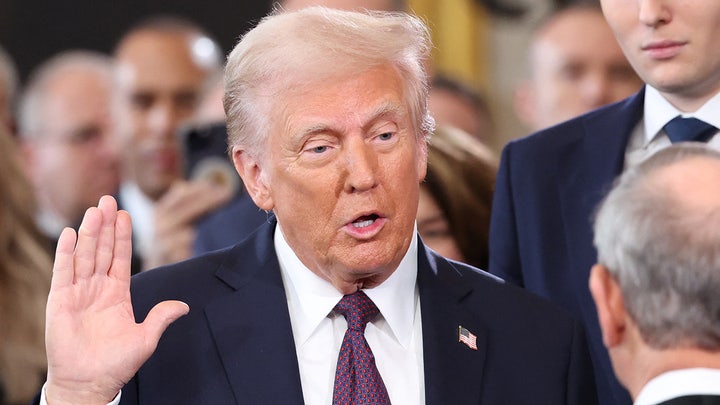
Let’s critically examine the four major challenges Trump overcame and what they reveal—not just about him, but about the system that enabled his comeback.
1. The Legal Storm: From Courtrooms to Campaigns
Few politicians have faced as many legal challenges as Donald Trump. From accusations of financial misconduct to allegations surrounding his personal behaviour, Trump spent much of his post-presidency under a legal microscope. Most candidates would have seen such scrutiny as a political death sentence.
Trump, however, reframed these legal battles as attacks by the “establishment” on his mission to “save America.” This narrative resonated with his base, turning every indictment into fuel for his campaign. But what does it say about a system where legal troubles are not a disqualifier, but a rallying cry? Should we admire Trump’s resilience—or question the electorate's willingness to overlook accountability?
2. The Media Machine: Turning Criticism into Currency
The media was relentless in its coverage of Trump, often portraying him in a negative light. Yet, Trump’s ability to dominate headlines, regardless of the tone, was unparalleled. His strategy was simple but effective: controversy drives attention, and attention drives influence.
While this tactic helped him remain in the spotlight, it also highlighted a troubling aspect of modern media. Outrage, not substance, became the currency of political success. The question isn’t just about Trump’s mastery of the media—it’s about how a system thrives on sensationalism rather than meaningful discourse.
3. Rebuilding a Fractured Base: Exploiting Divisions for Unity
After losing the 2020 election, many believed Trump’s grip on the Republican Party had weakened. The rise of dissenting voices within the GOP seemed to signal a shift away from Trumpism. Yet, he managed to consolidate power by leaning even harder into populist rhetoric and doubling down on his core issues: immigration, “America First,” and election integrity.
Trump didn’t just rebuild his base; he amplified its divisions from within. By isolating moderates and rewarding loyalty, he created a cult of personality that left little room for dissent. While this strategy secured his victory, it exposed the fragility of a political landscape where party loyalty outweighs ideological diversity.
4. The Changing Voter Demographics: Capitalising on Fear and Frustration
The American electorate is evolving, with younger, more diverse voters reshaping the political landscape. For many candidates, this would mean adapting their policies to appeal to new generations. Trump, however, chose a different path: doubling down on fear-based narratives.
Instead of adapting, he exploited frustration. Economic anxiety, cultural shifts, and mistrust of institutions became the cornerstones of his campaign. This approach, while effective, raises concerns about the long-term consequences of stoking division and fear to win votes. Is this the new norm for political campaigns—a race to the bottom, where winning is more important than uniting?
The Bigger Picture: What Should We Really Learn?
Trump’s journey back to the White House is undeniably a case study in political strategy, resilience, and adaptability. But should we celebrate these traits when they come at the expense of integrity, unity, and progress?
His victory reveals a troubling reality: modern politics rewards those who exploit division, prioritise personal gain, and sidestep accountability. While there are lessons to be learned from Trump’s methods, they may not be the ones we want shaping the next generation of leaders.
Conclusion: A Victory Worth Questioning
Donald Trump’s ability to overcome immense challenges and return to power is a testament to his political acumen. However, it also forces us to reflect on the systems and values that allowed his comeback.
Should we admire his resilience—or question a system that prioritises spectacle over substance? The answer lies not just in Trump’s story, but in how we, as a society, choose to respond to it. Let’s hope that the lessons we take away are the ones that truly matter, even if they require us to confront uncomfortable truths about the state of our democracy.