
On January 30, 2025, Uganda's Health Ministry confirmed the tragic return of Ebola to the capital city of Kampala, marking the ninth outbreak since the disease was first detected in the country. The outbreak, which has already claimed one life, is fueling both fear and skepticism across the nation. With the epicenter in a densely populated urban area, questions about Uganda's preparedness and the global response are now more critical than ever.
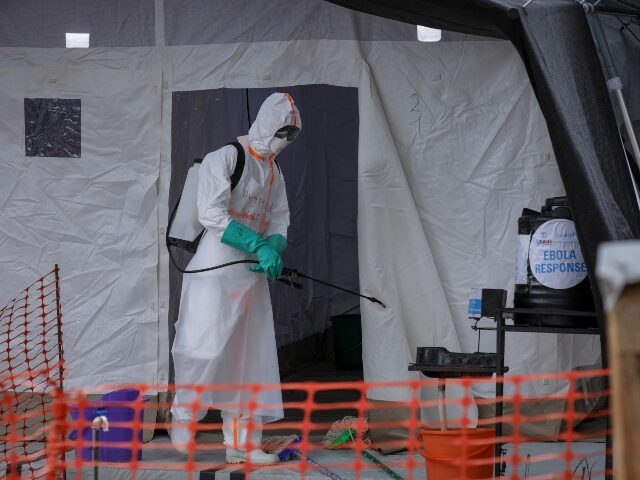
The Dark Familiarity of Ebola in Uganda
Ebola outbreaks have become an unfortunate part of Uganda’s medical landscape. The 2022 outbreak, which lasted four months and resulted in 55 deaths, was a sobering reminder of the disease's devastating potential. Now, with the confirmation of the Sudan strain (SUDV) in Kampala, Uganda finds itself in the throes of yet another battle against the virus, which is notorious for its high fatality rates and the swift deterioration of its victims.
The disease, which has an alarming mortality rate ranging from 25% to 90%, continues to pose a significant threat despite medical advancements. The recent death of a male nurse at the Mulago National Referral Hospital highlights a critical point — Ebola’s ability to spread is amplified when patients seek help from both traditional and modern medical systems, often leading to a delay in proper diagnosis and treatment.
The Strain of the Sudan Strain: No Vaccine, No Guarantees
The Sudan strain of Ebola, which has resurfaced in Kampala, presents unique challenges. While vaccines for other strains of Ebola exist, there is no approved vaccine for SUDV. Although three candidate vaccines were tested during the 2022 outbreak, their success is still uncertain, and there remains no definitive cure or prevention method for this strain.
Uganda’s Health Ministry is responding with urgency, rolling out a vaccination program. However, the absence of a reliable vaccine for this specific strain raises significant concerns. In an outbreak where every second counts, relying on experimental vaccines and contact tracing to contain the disease might not be enough. Will the government and global health agencies move quickly enough, or is Uganda poised for yet another prolonged and deadly fight?
The Ugandan Response: Is It Enough?
Health Secretary Diana Atwine reassured the public that authorities are "in full control" of the situation. But are they? Uganda's densely packed capital, along with its close proximity to neighboring countries like Kenya, makes contact tracing a daunting task. With 44 people already designated for tracking, including 30 health workers, the potential for further spread is concerning. Cross-border traffic only complicates the matter, creating a high-risk environment for both the country and the region.
While the World Health Organization (WHO) has committed to providing support, including a $1 million allocation from the Contingency Fund for Emergencies, one has to wonder if such efforts will be enough to curb a rapid spread. The reality is that Ebola is not just a medical crisis — it is a social and economic one. The stigma, fear, and strain on healthcare systems can exacerbate the situation, often undermining initial containment efforts.
The Global Perspective: A Wake-Up Call for the World
Uganda's Ebola outbreak, though tragic, is also a stark reminder of the global vulnerabilities that still exist in the fight against infectious diseases. While the world’s attention has largely shifted to other pandemics and crises, outbreaks like this remind us that diseases like Ebola are far from eradicated. With no definitive vaccine for the Sudan strain, the international community’s role in ensuring swift, coordinated action is more crucial than ever.
Moreover, this outbreak raises questions about the preparedness of other nations in Sub-Saharan Africa, where resources are often stretched thin, and health systems are fragile. Are we as a global community ready to face the next potential pandemic with the same urgency and resources we brought to bear with COVID-19? The answer, unfortunately, remains uncertain.
Conclusion: Hope Amid Uncertainty
Uganda’s ongoing struggle with Ebola highlights the complexities of managing a deadly outbreak in the modern world. While medical advancements offer some hope, the absence of an approved vaccine for the Sudan strain places Uganda in a perilous position. The country’s response will undoubtedly rely on quick action, effective vaccination strategies, and global cooperation. Yet, the challenge remains immense.
As Uganda fights this latest Ebola outbreak, the world watches closely. Will the measures taken be enough to contain the virus, or will Uganda face another painful chapter in its battle with this horrific disease? Only time will tell, but the urgency for global solidarity and swift action has never been clearer.