
Introduction: Fact or Fiction—Who Decides in the Digital Age?
In an era where misinformation spreads faster than ever, the decision to remove fact-checking from Meta platforms like Facebook and Instagram has sparked a heated debate. At the center of this controversy are two powerful figures: President Joe Biden, who lambasted the move as "really shameful," and Meta CEO Mark Zuckerberg, who defended it as a necessary step to uphold free expression.
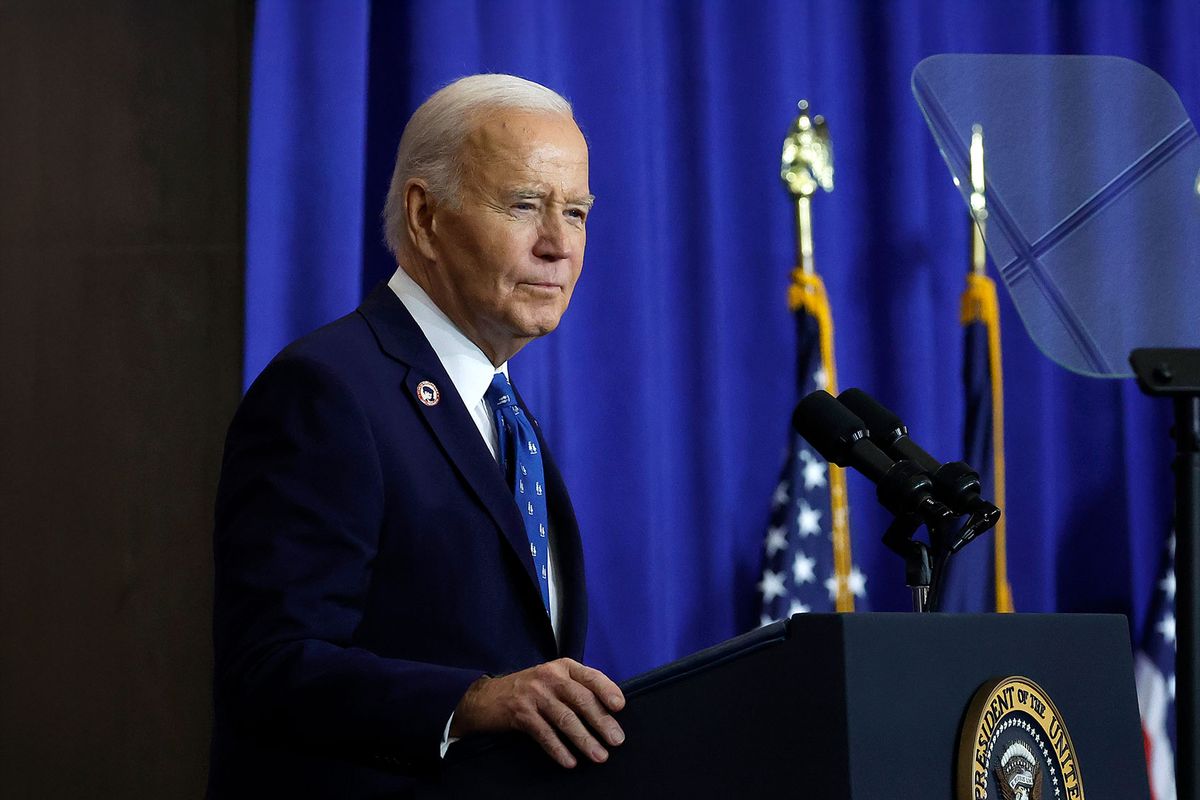
But beneath the headline-grabbing clash lies a troubling reality: the erosion of truth in a digital world where billionaires shape public discourse at their discretion. Is Meta’s decision a bold stand for free speech or a reckless abdication of responsibility?
The End of Fact-Checking: A Dangerous Gamble?
Meta’s decision to dismantle its U.S. fact-checking team is a seismic shift in how misinformation is managed online. Introduced as a safeguard after the chaos of the 2016 election, fact-checking was intended to curb the spread of false narratives. Now, Meta is replacing it with a “community notes” system, leaving the truth in the hands of users.
Critics, including President Biden, argue that this move endangers millions of users by exposing them to unchecked misinformation. In Biden’s words, “Telling the truth matters… letting millions of people read things that are simply not true” undermines democratic discourse. The timing, shortly after President-elect Donald Trump’s victory, only fuels suspicion that the decision aligns with political agendas.
Zuckerberg’s Defense: Free Speech or Deflection?
Mark Zuckerberg has framed the removal of fact-checking as a pushback against government overreach. Speaking to Joe Rogan, he accused the Biden administration of pressuring Meta to suppress dissenting voices during the COVID-19 pandemic. By dismantling fact-checking, Zuckerberg claims Meta is rejecting “1984”-style censorship and championing free expression.
But critics see a more cynical motive: appeasing the MAGA agenda. The alignment of Meta’s policy shift with Trump’s election win has raised eyebrows, and Zuckerberg’s insistence that the timing is coincidental feels unconvincing. If anything, the move suggests that Meta is less interested in fostering open discourse and more concerned with navigating the shifting sands of political power.
The Consequences: Who Pays the Price for Truth’s Demise?
While Zuckerberg defends Meta’s decision as a step toward decentralizing truth, the implications are dire. Community notes rely on the wisdom of crowds, but in a polarized society, this could amplify echo chambers and breed further division. Falsehoods often travel faster than corrections, and the lack of professional fact-checking may exacerbate the spread of harmful misinformation.
For Biden and other critics, the stakes are clear. As misinformation proliferates unchecked, the consequences extend beyond social media. Public trust in institutions, already fragile, may erode further. Democracy, reliant on an informed citizenry, risks being undermined by a sea of false narratives.
Bigger Questions: Who Controls the Truth?
The clash between Biden and Zuckerberg is emblematic of a larger issue: the growing influence of tech billionaires in shaping public discourse. Platforms like Facebook wield immense power over what information people see, and decisions made in corporate boardrooms can have sweeping societal consequences.
Biden’s criticism highlights a fundamental tension: should private companies bear the responsibility for curating truth, or does such power inevitably lead to bias? Zuckerberg’s framing of Meta as a neutral platform rings hollow when policy changes align with political tides. The absence of external oversight only deepens concerns about accountability.
Conclusion: The High Cost of Meta’s Experiment
Meta’s decision to axe fact-checking marks a turning point in the battle over truth in the digital age. While Zuckerberg defends it as a victory for free expression, the reality is more sobering. By dismantling a key safeguard against misinformation, Meta risks creating a digital ecosystem where truth becomes a casualty of convenience.
For President Biden and others, the message is clear: the stakes are too high to leave the truth in the hands of algorithms and user-generated content. As the battle over fact-checking unfolds, it’s worth asking whether Meta’s experiment in truth-telling will strengthen democracy—or accelerate its decline.