
On a frigid January morning in lower Manhattan, a courthouse became the epicenter of a familiar clash. Supporters of Donald Trump, banners waving, stood on one side of the entrance, decrying the "political witch hunt" they claim he has endured. Opposing them, anti-Trump protesters carried signs emblazoned with "Trump is Guilty" and "Fraud." The occasion? Trump’s sentencing in his hush-money case—a moment that, despite its finality, left both sides dissatisfied.
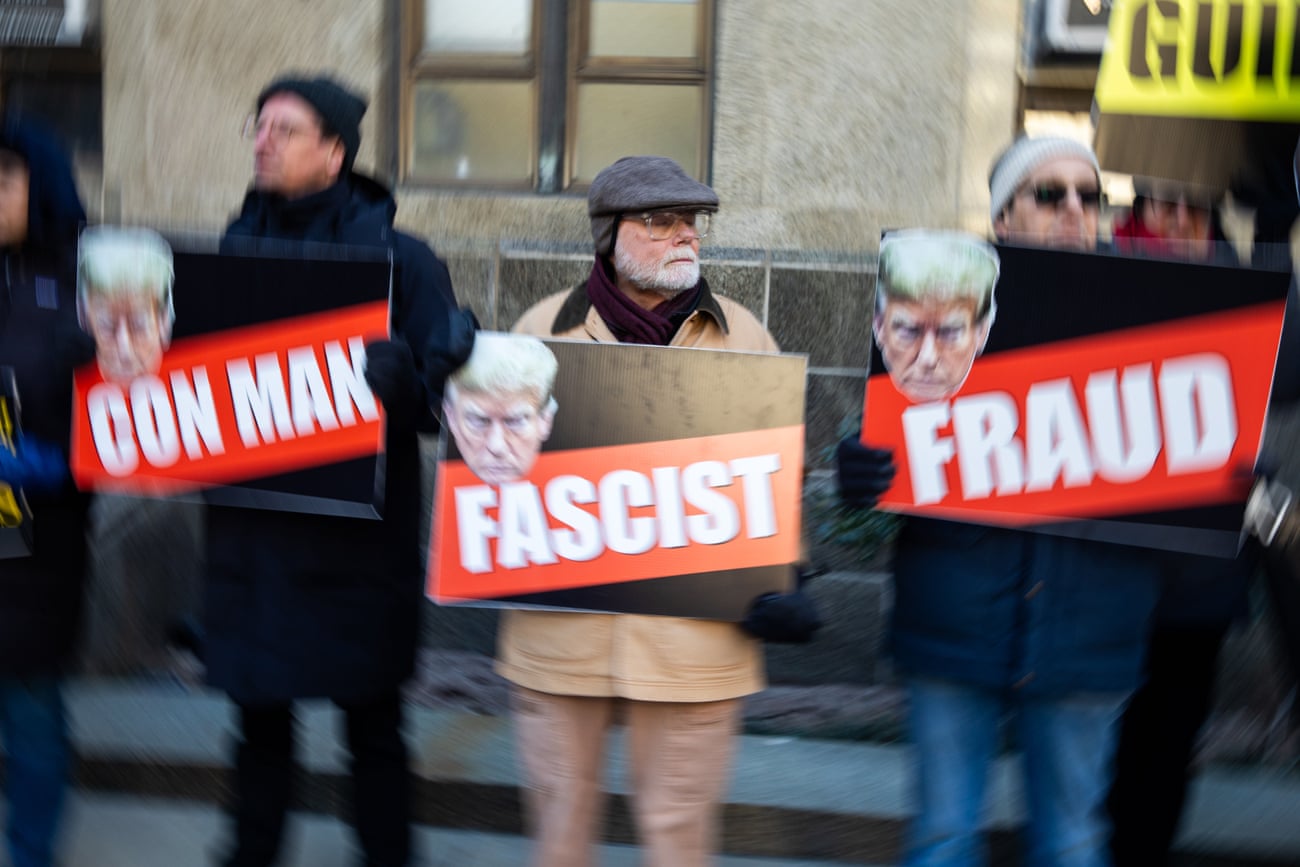
As the case concluded with an "unconditional discharge" verdict, the ruling raised as many questions as it answered. Was justice truly served, or was this a symbolic gesture devoid of real accountability?
Trump’s Sentence: A Legal Footnote or a Major Precedent?
Trump's sentencing was anticipated, with Judge Juan Merchan last week signaling that an unconditional discharge was the most practical outcome. This decision formalized the felony convictions on Trump’s record but came without penalties beyond their symbolic weight. While some saw the ruling as a fair application of the law, others viewed it as further proof of a system skewed in favor of wealth and power.
Paul Rabin, one of the anti-Trump protesters, encapsulated this frustration:
“It’s been proven in a court of law that he’s broken the law, and yet he’s been able to evade justice. In our society, money, wealth, status, and power determine whether you get justice—or the opposite of it.”
This sentiment isn’t new, but the Trump era has brought it into sharper focus. For critics like Rabin, the ruling underscores a troubling disparity: legal accountability exists, but only in a diluted form for the elite.
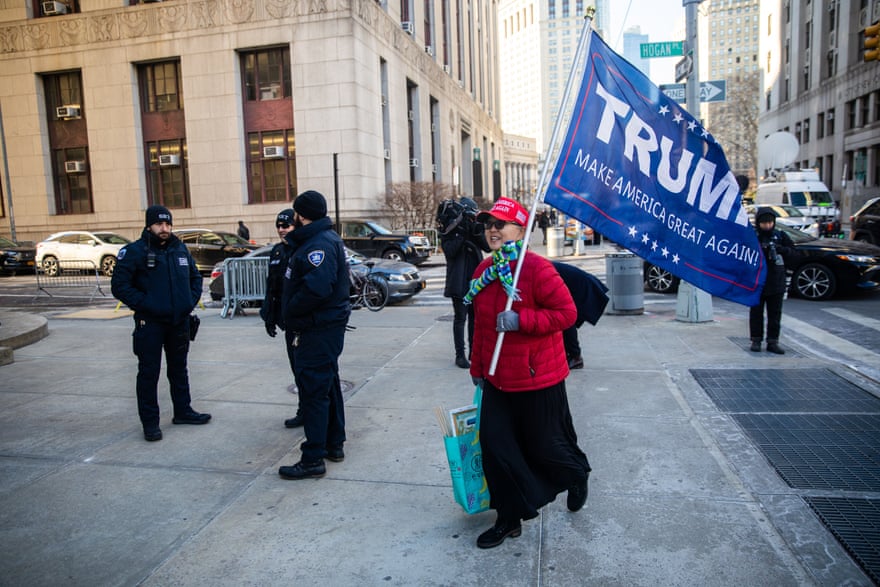
Supporters Rally Around the “Victim”
Trump's supporters, by contrast, see him as a martyr. Qing Yang, holding a banner declaring "Stop partisan conspiracy," expressed the prevailing belief among Trump’s base:
“Donald Trump is my president. So many people made the choice. Trump is the winner.”
Their presence wasn’t merely a show of loyalty—it was an act of defiance against what they perceive as an unjust system weaponized against their leader. The unveiling of a massive "TRUMP WON TRIFECTA" flag across the street symbolized their conviction that the legal proceedings were less about justice and more about politics.
Justice for Whom? The Unanswered Questions
Trump’s sentencing leaves us grappling with larger questions about the nature of justice. Critics argue that the case’s resolution—while legally sound—reflects a deeper systemic issue: the inability (or unwillingness) of the judicial system to impose meaningful consequences on the powerful.
An unconditional discharge, though technically a conviction, does little to address the broader implications of Trump’s alleged actions. For many, it feels like a legal slap on the wrist—a ruling that ensures the case is “resolved” without sparking additional controversy.
Rabin alluded to this dissatisfaction, noting that while the conviction might affect Trump’s business licenses and other technicalities, the lack of substantive penalties reinforces the perception that justice remains elusive for the privileged.
Polarization Beyond the Courtroom
The scene outside the courthouse mirrored the broader cultural divide. On one side, Trump’s supporters decried the “travesty of justice,” viewing the trial as fuel for his re-election campaign. On the other, protesters saw the sentencing as a reminder of the systemic inequalities that allow the wealthy to skirt meaningful consequences.
This dichotomy raises the uncomfortable reality that justice, much like politics, is rarely black and white. While one side celebrates Trump’s continued defiance, the other laments a missed opportunity for true accountability.
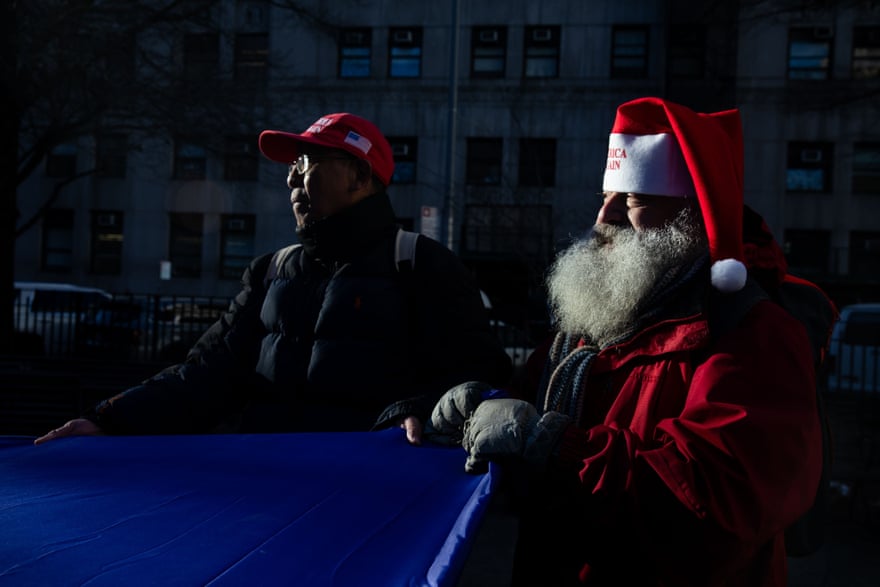
A Turning Point or More of the Same?
With Trump’s second inauguration just days away, his legal troubles seem unlikely to deter his base. John Ahern, a 76-year-old supporter who flew from Florida for the sentencing, summarized the mood among Trump loyalists:
“Ultimately, I’m enthusiastic about what’s going to happen, not just for America, but for the world. We’ve got real leadership here again.”
Whether one views this as optimism or delusion depends largely on perspective. But the broader implications are clear: Trump’s legal battles have done little to diminish his influence, instead galvanizing his supporters and deepening divisions.
Conclusion: Justice, Perception, and the Road Ahead
The sentencing of Donald Trump was less a resolution and more a reflection of America’s fractured reality. For his supporters, it solidified their belief in a persecuted leader fighting an unjust system. For his detractors, it highlighted the enduring inequities that favor the powerful.
As the nation braces for another Trump presidency, the question isn’t just whether justice was served but whether it ever stood a chance against the forces of wealth, power, and deep-seated polarization. The battle for accountability may be far from over, but for now, it’s clear that justice, like politics, remains a contested and complicated terrain.