
A Displacement Without Injury—But What If It Had Been Worse? The Hidden Risks of Fire Safety Lapses in Suffolk
A recent house fire in Suffolk, Virginia, early Friday morning left two individuals displaced, but fortunately, no one was injured. The Suffolk Fire & Rescue crews responded quickly to the scene in the 100 block of Church Street, where they encountered heavy smoke and fire emanating from the rear of the house. The fire was contained by 8:53 a.m., but it still raises significant concerns about fire safety in the community and the broader issue of emergency preparedness.
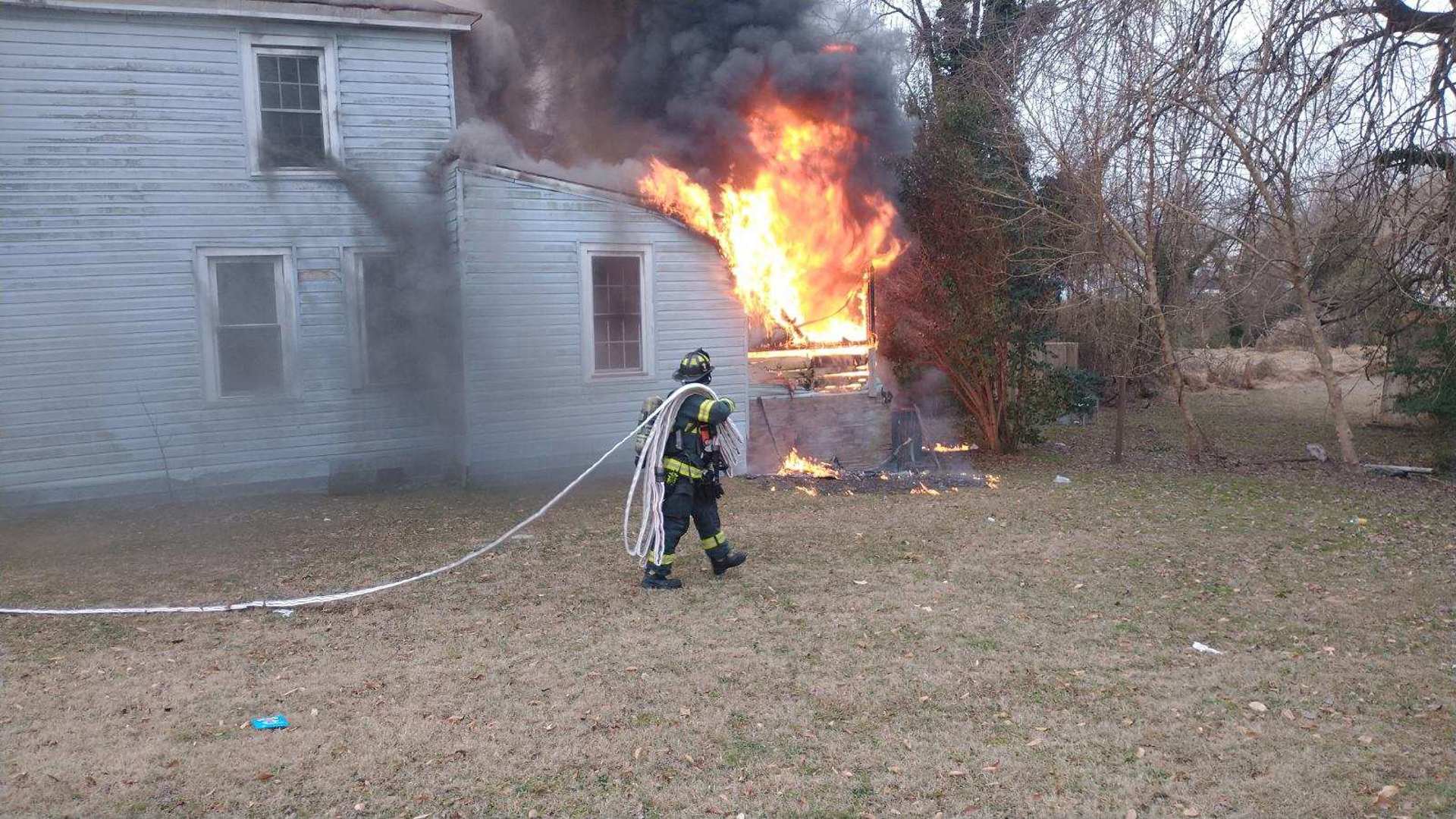
The Fire: A Close Call That Could Have Been Much Worse
At first glance, the lack of injuries might paint a reassuring picture, but the reality is far more complex. The fire, though quickly extinguished, is a stark reminder of the constant risks posed by home fires—risks that many might underestimate until it's too late. Firefighters responded with impressive speed, but the mere fact that this incident occurred in the first place speaks volumes about the vulnerabilities within our homes and communities.
We often hear about the miraculous escapes and the lucky instances where no one is harmed, but the truth is, many fire-related injuries and fatalities happen in places just like this—homes where safety measures might have been lacking or insufficient. The absence of injuries here should not be seen as a sign of invulnerability; rather, it should prompt us to consider how close this could have been to a much more tragic outcome.
Displacement: The Emotional and Financial Toll
Two people have been displaced, which may seem minor when compared to the larger scope of fire disasters. But displacement is far from an insignificant consequence. The emotional and financial impact of losing your home—no matter how temporary—can be devastating. It’s not just about finding shelter; it’s about rebuilding a life disrupted in an instant. The Red Cross’s role in offering assistance is essential, but the question remains: How prepared are we, as a society, to help those who are affected by such incidents on a larger scale?
Moreover, the support provided immediately after the fire isn’t a permanent fix. Long-term assistance and recovery efforts should focus on restoring the displaced individuals’ lives in a sustainable way. Without the right resources and safety nets, these victims could face months or even years of upheaval.
The Bigger Issue: Fire Safety Lapses in the Community
The cause of the fire is still under investigation, but it’s worth questioning whether this could have been prevented. Was this an isolated incident, or does it point to a larger issue of fire safety awareness in Suffolk homes? We often assume that because a fire didn’t result in injuries, the system is working. However, when considering the potential for fire outbreaks in older homes, densely packed neighborhoods, or those without updated fire safety measures, it becomes clear that more attention is needed on a community-wide level.
Are local fire safety programs comprehensive enough to address all homes, including those that might not have modern fire safety technology? Is there enough education about fire prevention? This incident should serve as a reminder that fire safety is not just about responding when the flames are already visible; it’s about preventing the fire from starting in the first place. Many homes lack functioning smoke detectors or the necessary fire exits, and it’s crucial to address these gaps before the next fire strikes.
Emergency Preparedness: Could Suffolk Do Better?
The swift response of Suffolk’s fire and rescue teams is commendable, but the question remains: How prepared are we, as a community, to handle fire emergencies in the long term? There is no denying that fire departments are stretched thin, dealing with emergencies every day. However, the real issue is not just the response to the fire but the community’s readiness for such events. Public awareness about fire hazards and prevention should be more widespread. Are Suffolk residents aware of the risks and best practices to reduce the chances of a fire occurring? Are they educated about what to do in the event of a fire?
Better fire safety education, coupled with enhanced preventive measures in homes, could drastically reduce the number of fires. This should not be an afterthought; it should be at the forefront of community outreach efforts.
Conclusion: A Call for More Action on Fire Safety and Prevention
While no one was injured in this Suffolk house fire, it’s a reminder that not all fires have a happy ending. This incident could have turned out much worse, but it didn’t—thanks to quick action and some good fortune. The key takeaway here is that fire prevention, education, and preparedness need to be prioritized, both by individuals and the broader community.
Displacement is a harsh reality for many people affected by house fires, but the emotional and financial toll of such an event can be minimized with better fire safety measures, more robust response strategies, and greater community awareness. It’s time to stop relying on luck and start implementing real solutions that could save lives and homes in the future.