
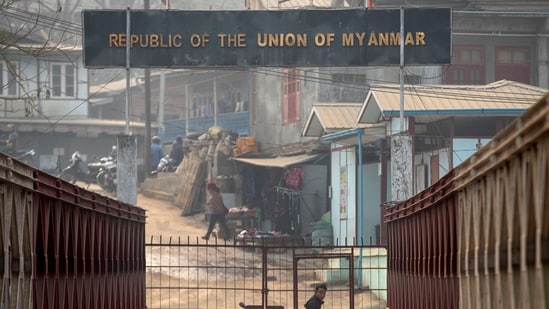
The latest announcement from Myanmar’s military regime to extend the state of emergency for yet another six months is a grim reminder of the country’s spiraling descent into authoritarian rule. A move justified under the guise of ensuring “stability and peace” for a so-called free and fair election raises more questions than answers about the nation’s future. This decision, reported just a day before the fourth anniversary of the 2021 coup, further entrenches Myanmar in a cycle of political stagnation, economic ruin, and human suffering.
The Coup That Crushed Hope
It’s hard to believe that just over a decade ago, Myanmar was cautiously stepping out of decades-long military rule and embracing the fragile shoots of democracy. The coup in February 2021 undid those hard-won gains almost overnight, toppling the civilian government led by Nobel laureate Aung San Suu Kyi. Since then, the nation has been gripped by a brutal civil war, with pro-democracy factions and ethnic armed groups fighting relentlessly against the junta.
The military’s promises of stability ring hollow when one considers the turmoil they’ve inflicted on the country. Millions have been displaced, thousands have been killed, and basic freedoms are now a distant memory. Instead of quelling chaos, the junta’s iron-fisted tactics have exacerbated it.
The Election That Nobody Believes In
The regime’s insistence on holding an election this year is riddled with hypocrisy. Critics have rightly dismissed the planned vote as a sham—an exercise not in democracy but in deceit. It’s evident that the military’s so-called electoral ambitions are designed to cement their control by installing puppet leaders while maintaining a façade of legitimacy.
Can there ever be a free and fair election under such conditions? The answer seems obvious. With opposition figures either jailed, exiled, or silenced and the state media relentlessly propagating the junta’s narrative, any notion of fairness is laughable. Myanmar’s people are left with no choice but to view this election for what it is: a mockery of their democratic aspirations.
Stability or Suppression?
The military’s justification for extending emergency rule revolves around “stability and peace,” but what they’ve delivered is the polar opposite. Under the guise of maintaining order, the junta has unleashed violent crackdowns, targeting civilians and opposition forces alike. Meanwhile, the country’s economy has been devastated, with the kyat plunging in value and widespread poverty becoming the norm.
The argument for “peace” also falls flat when one considers the civil war raging in the country. The conflict is no longer just a political standoff but a humanitarian crisis. Entire communities have been obliterated, with many forced to flee to neighboring countries. If this is the military’s version of stability, one shudders to imagine what instability might look like.
The World Watches in Silence
The international community has largely responded with toothless sanctions and diplomatic condemnations. While these gestures signal disapproval, they’ve done little to change the junta’s behavior. Myanmar’s plight has slipped off the global radar, overshadowed by other crises. For the people of Myanmar, this indifference is another bitter pill to swallow.
What Lies Ahead?
Myanmar’s future under the current regime looks bleak. The junta’s grip on power shows no signs of loosening, and the promise of an election does little to inspire hope. The people’s fight for democracy, however, is far from over. Grassroots resistance continues to thrive, even in the face of severe repression.
The question remains: how long can a regime survive on fear and force alone? History has shown that even the most oppressive dictatorships crumble eventually. For Myanmar, the journey to that point may be long and harrowing, but the resilience of its people is a testament to their unwavering commitment to freedom.
Final Thoughts
As Myanmar marks four years since the coup, the military’s extension of the state of emergency is a stark reminder of its unrelenting quest for control. The country’s path forward is fraught with uncertainty, but one thing is clear: the struggle for democracy is far from over. The world must not look away, for silence only emboldens oppressors. Myanmar’s people deserve more than international apathy—they deserve a future free from fear, oppression, and endless emergencies.