
As we look towards the housing market in 2025, one term is becoming increasingly prevalent: the "housing affordability crunch.” With rising costs and an increasingly competitive real estate environment, the "housing affordability crunch” projected for 2025 is a growing concern for many individuals and families. This affordability challenge is expected to have far-reaching consequences, affecting everything from homeownership dreams to rental markets and economic stability. In this blog post, we will explore what the housing affordability crunch means, the factors driving it, and how it will shape the future of housing.
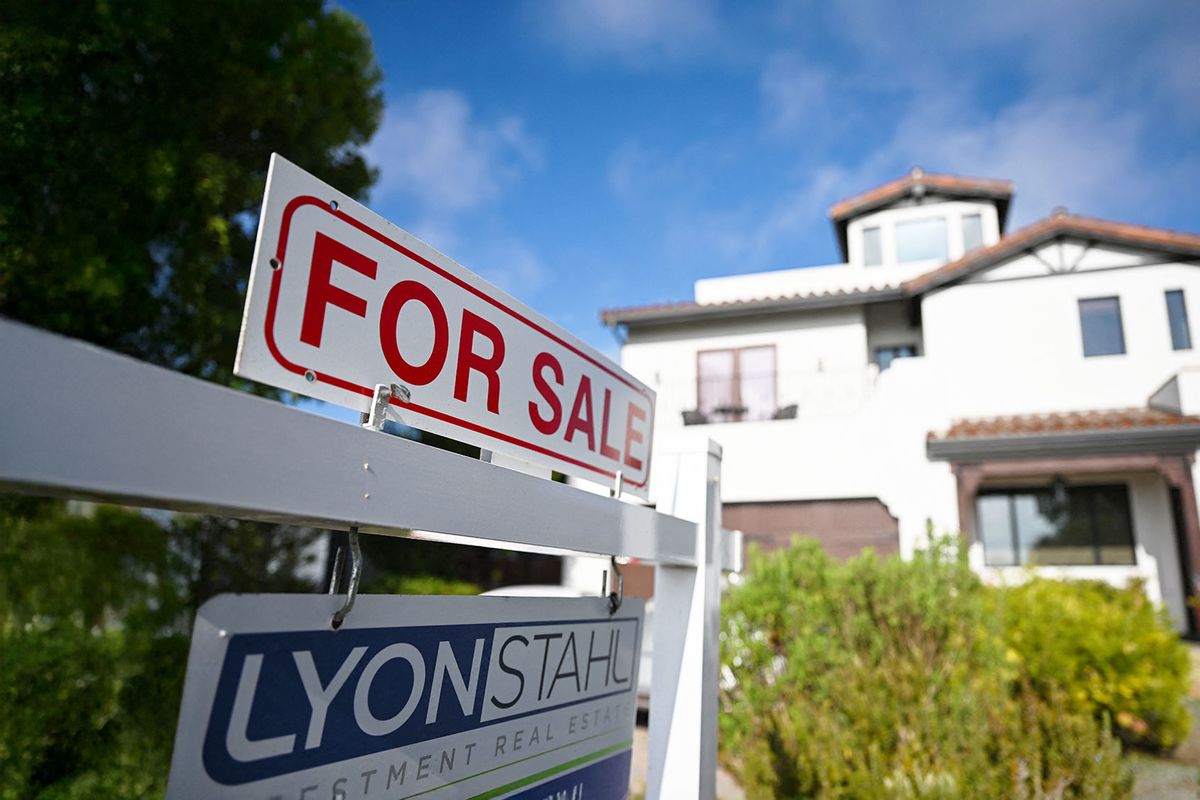
The Growing Concern of the Housing “Affordability Crunch” Projected for 2025
The "housing affordability crunch” projected for 2025 is a significant concern for both potential homeowners and renters. As the cost of housing continues to rise in many parts of the world, especially in major cities, more and more people are finding it difficult to find affordable homes. Whether it’s purchasing a home or securing a rental property, the price points have moved out of reach for a growing number of individuals and families. This affordability crisis is set to worsen in 2025, with experts predicting that home prices could continue to rise, further narrowing the options available for many people.
The "housing affordability crunch” projected for 2025 is also being driven by a combination of rising interest rates, inflation, and limited housing supply. These factors are contributing to an environment where many individuals who may have previously been able to afford a home are now finding themselves priced out of the market. As demand for housing continues to outstrip supply, the affordability gap is set to widen, putting significant pressure on middle-class families and first-time buyers.
Key Factors Behind the Housing “Affordability Crunch” Projected for 2025
Several factors are contributing to the housing “affordability crunch” projected for 2025. One of the most significant is the ongoing increase in home prices. After years of steady price growth, many housing markets are now seeing substantial increases in the cost of homes. This is partly due to a lack of new housing construction in many regions, combined with a growing demand for homes in desirable areas. As supply remains limited, home prices have been pushed higher, making homeownership an increasingly distant dream for many.
Additionally, rising interest rates are making mortgages more expensive. As central banks around the world have increased interest rates to combat inflation, the cost of borrowing has risen, leading to higher monthly payments for prospective homebuyers. The "housing affordability crunch” projected for 2025 is expected to intensify as these higher interest rates add to the overall cost of purchasing a home, further reducing affordability for many people.
Another contributing factor is the increase in construction costs. The cost of building materials, labour shortages, and logistical challenges have made it more expensive to construct new homes. This has resulted in fewer homes being built, particularly in areas where demand is high. With fewer homes available on the market, prices continue to rise, creating a cycle of unaffordable housing that is difficult for many to break.
How the Housing “Affordability Crunch” Projected for 2025 is Affecting Renters
While the “housing affordability crunch” projected for 2025 primarily focuses on homeownership, renters are also feeling the effects. As home prices soar, more people are opting to rent, which has driven up demand in the rental market. Landlords, facing higher costs themselves, have responded by increasing rents, making it even harder for renters to find affordable housing.
In many major cities, rental prices have risen significantly in recent years, and the trend is expected to continue in 2025. This means that even individuals who are unable to purchase a home are being priced out of the rental market. For many people, particularly younger generations and those in low-income brackets, the “housing affordability crunch” is becoming a daily struggle, with fewer options available at prices they can afford.
In addition to rising rents, the shortage of affordable rental units is exacerbating the issue. Many cities have a limited supply of rental properties that fall within the budgets of average renters. As demand increases and inventory remains low, the rental market becomes even more competitive, with rental prices continuing to climb in response to the growing demand.
The Social and Economic Consequences of the Housing “Affordability Crunch” Projected for 2025
The “housing affordability crunch” projected for 2025 is not just a financial issue; it has significant social and economic consequences as well. As more people are priced out of the housing market, we are likely to see an increase in inequality, as wealthier individuals and investors continue to dominate the housing market while middle- and lower-income individuals struggle to find stable housing.
One of the most immediate consequences of the housing affordability crunch is the rise in homelessness. As more people are unable to afford rent or purchase a home, many will be forced into precarious living situations, such as overcrowded homes, temporary shelters, or, in the worst-case scenario, living on the streets. The increased pressure on social services to provide housing and support will strain local governments, leading to further challenges for communities already facing economic difficulties.
The affordability crisis could also exacerbate social mobility challenges. With fewer people able to purchase homes, there will be limited opportunities for wealth accumulation through property ownership. This creates a generational divide, where younger individuals and families are less likely to achieve homeownership, thus limiting their ability to build long-term wealth. This can lead to economic stagnation and hinder social progress, as large segments of the population find themselves locked out of the property market.
Potential Solutions to Address the Housing “Affordability Crunch” Projected for 2025
Addressing the “housing affordability crunch” projected for 2025 requires a multi-faceted approach that involves both government action and market-based solutions. One key strategy is the construction of more affordable housing. Governments at all levels must prioritise the development of low- and moderate-income housing projects to ensure that people across income brackets have access to suitable housing options.
In addition to increasing supply, policymakers may need to address the issue of rising construction costs. By providing incentives for builders to construct affordable homes and reducing regulatory barriers, governments can help reduce the overall cost of housing construction, making it easier for developers to bring affordable units to market.
Interest rates and lending policies also need to be considered. To alleviate the housing affordability crunch, central banks may need to adjust their monetary policies to ensure that borrowing costs remain manageable for homebuyers. Additionally, expanding access to affordable financing options for first-time homebuyers could help individuals who are struggling to enter the property market.
Finally, rental market reforms may be necessary to protect renters from excessive rent hikes and ensure that a larger portion of the population can find stable rental housing. Rent control measures, increased housing subsidies, and support for affordable rental housing development could provide relief for those facing the housing affordability crunch.
Conclusion: Facing the Housing “Affordability Crunch” Projected for 2025
The “housing affordability crunch” projected for 2025 is a serious issue that requires urgent attention from policymakers, developers, and individuals alike. As home prices continue to rise, interest rates climb, and rental markets tighten, millions of people will face increasing difficulty in finding affordable housing. The social, economic, and personal consequences of this affordability challenge will be far-reaching, affecting everything from wealth inequality to homelessness.
Addressing the housing crisis requires a comprehensive approach that focuses on increasing housing supply, controlling costs, and expanding access to affordable housing options. Without action, the affordability gap will continue to widen, leaving many individuals and families struggling to meet their basic housing needs. The “housing affordability crunch” is a critical issue that demands attention in 2025 and beyond.