
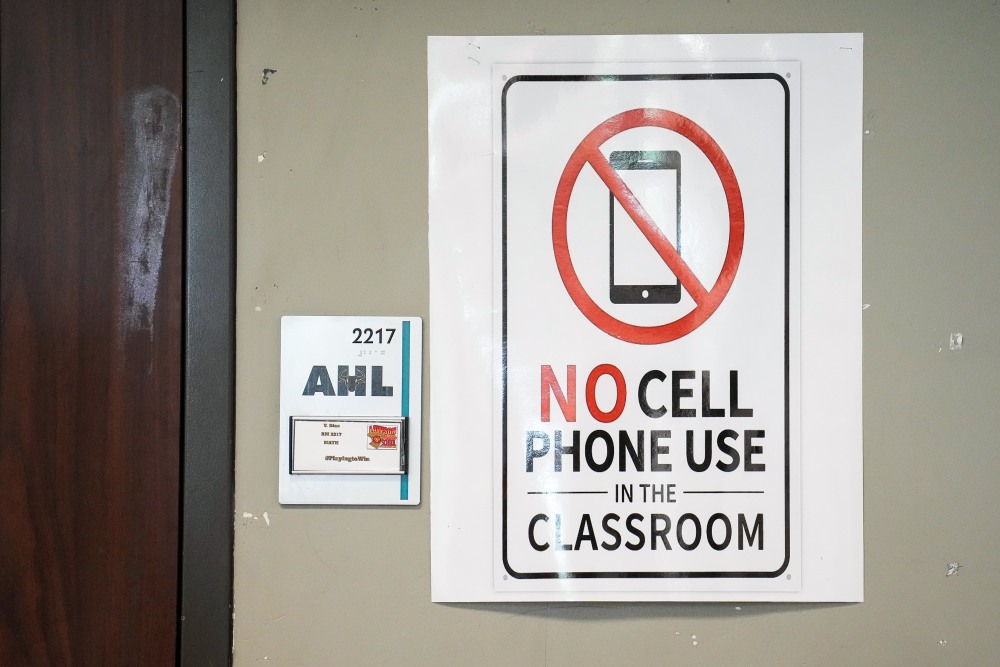
With the start of 2025, a rising number of states are considering legislation to ban or restrict cellphone use in schools. Alabama, Maryland, and New Hampshire are the latest to propose such measures, joining a growing movement aimed at addressing concerns over classroom distractions and student mental health. But is this approach a solution or an oversimplification of a complex issue?
The Push for Bans: A Response to Widespread Concerns
Supporters of cellphone restrictions argue that devices are hindering academic focus and contributing to a decline in student mental well-being. According to a 2023 Gallup study, over half of American teenagers spend at least four hours daily on social media—a habit linked to anxiety, depression, and body image issues.
New Hampshire Governor Kelly Ayotte recently voiced her support for banning phones in schools, saying, “Screens are negatively impacting our learning environments, drawing students’ attention away from their classes, and becoming a barrier for teachers to do their jobs. No more.”
If these proposals become law, they would align these states with eight others—including California, Florida, and Virginia—that have already implemented cellphone bans or restrictions.
The Underlying Issues: Are Phones the Real Problem?
While the effort to address distractions and mental health struggles is commendable, it’s worth questioning whether cellphone bans are addressing the root causes of these issues.
-
Mental Health Complexities:
The relationship between social media and mental health isn’t straightforward. While excessive use has been linked to negative outcomes, it also serves as a vital social outlet for many teens. Restricting access at school may not address the larger issue of unhealthy online habits outside the classroom. -
Academic Distractions vs. Engagement:
Critics argue that banning phones doesn’t necessarily foster better focus. Teachers have noted that when phones are removed, some students shift their distractions to other non-productive activities. Engaging teaching methods and robust support systems may be more effective than outright bans. -
Safety Concerns from Parents:
For many parents, cellphones are a lifeline in emergencies. A ban could spark anxiety about being unable to reach their children during school hours. The policy could also disproportionately affect families in which children need to coordinate transportation or caregiving responsibilities.
The Bigger Picture: Is Legislation the Right Approach?
Cellphone bans are part of a broader trend toward regulating technology use among young people. Some states, inspired by Australia’s social media restrictions for children under 16, are considering measures to limit online access entirely. But enforcing such policies can be challenging and risks alienating students who feel targeted by what they perceive as heavy-handed rules.
Moreover, legislation alone cannot replace education about healthy digital habits. Schools need to teach students how to navigate the digital world responsibly rather than simply removing it from their environment.
A Nuanced Approach is Needed
While cellphone restrictions may help reduce distractions in the short term, they risk becoming a band-aid solution to deeper issues. Addressing mental health challenges and fostering academic engagement require multifaceted strategies, including:
- Digital Literacy Programs: Equip students with tools to manage their screen time and navigate social media safely.
- Parental Involvement: Encourage open discussions at home about the impact of technology on mental health.
- Enhanced School Resources: Invest in counselors, extracurricular activities, and engaging curriculums to address the root causes of distraction and anxiety.
Conclusion: Beyond the Ban
While cellphone bans may seem like a quick fix, they fail to address the complex relationship between technology, mental health, and academic focus. A more effective approach would combine restrictions with education, creating an environment where students can learn to manage their digital lives responsibly.
What do you think? Are cellphone bans the answer, or is there a better way to tackle these challenges? Share your thoughts below!