
As President-elect Donald Trump prepares to take office, a rift has begun to form within his inner circle, revealing deep divisions over immigration policy—specifically, the H-1B temporary worker visa program. The divide has surfaced after key advisers, Elon Musk and Vivek Ramaswamy, publicly expressed their support for the H-1B program, a stance that has sparked backlash from other Trump loyalists who argue that such visas are stealing American jobs. This ideological clash may not only affect Trump’s administration but could have lasting implications for the nation's immigration policies.
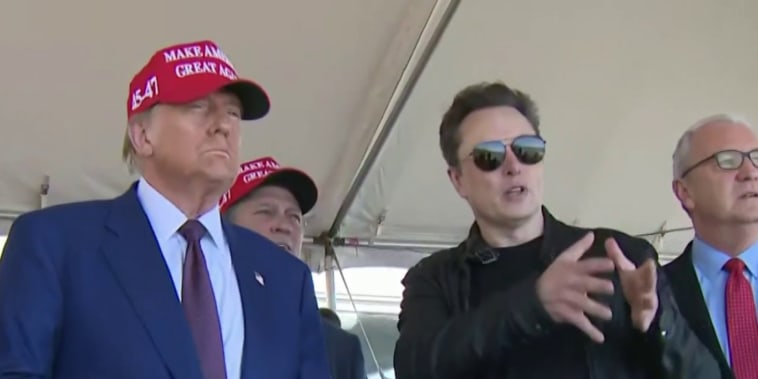
The H-1B Visa Debate: A Battle of Economics vs. Nationalism
The H-1B visa program, which allows U.S. employers to hire foreign workers in specialty occupations, has long been a point of contention in American politics. Supporters argue that it helps fill critical skill gaps in the workforce, especially in industries like tech, engineering, and healthcare. Critics, however, claim that the program undercuts wages and displaces American workers, particularly in high-demand sectors.
In the midst of this debate, Elon Musk and Vivek Ramaswamy have emerged as vocal defenders of the H-1B visa, suggesting that a more open approach to temporary work visas would benefit the U.S. economy by attracting top global talent. Musk, known for his work with Tesla and SpaceX, sees the value in having the best and brightest minds contribute to America's technological and scientific advancements. Ramaswamy, a biotech entrepreneur and author, echoes these sentiments, arguing that the restriction of such visas could stifle innovation and hinder economic growth.
Trump Loyalists Push Back: The Nationalist Perspective
However, not all of Trump’s allies share this view. A significant faction within his inner circle is pushing back against the support for H-1B visas, believing they undermine the core principles of American nationalism and protectionism. For these Trump loyalists, the issue is simple: the H-1B program takes jobs away from hardworking Americans and drives down wages. Their position aligns with Trump’s own rhetoric from the 2016 campaign, where he vowed to protect American workers and prioritize policies that favor U.S. citizens.
This divide has exposed a deeper ideological rift within Trump’s camp: one side favors globalism, innovation, and the free flow of talent, while the other champions protectionist measures that aim to safeguard American jobs and wages. This fundamental difference could become a point of tension in the early days of the Trump administration.
A Complex Issue: What’s at Stake?
The controversy surrounding the H-1B visa program is not just about immigration policy—it’s a reflection of the broader tensions between economic growth and national protectionism that have dominated U.S. politics in recent years. On one hand, there’s the argument that opening the door to skilled foreign workers is essential for maintaining the U.S.’s competitive edge in a global economy. On the other, there’s a fear that such policies exacerbate unemployment and income inequality for American workers who feel left behind by globalization.
For Trump’s administration, this split in opinion poses a unique challenge. Will Trump side with his advisers who support a more open approach to immigration, or will he double down on his commitment to putting American workers first? The answer will shape not only his economic policy but also his legacy as president.
The Path Forward: A Divisive Choice
The debate over the H-1B visa is a microcosm of the broader ideological divides in American politics today. As Trump navigates this controversy, he faces a difficult balancing act: aligning with advisers who advocate for a more open economy or listening to his base that demands protectionist policies.
The rift within Trump’s inner circle is a stark reminder of the complexities surrounding immigration reform. It also highlights the challenge of reconciling the demands of global capitalism with the realities faced by many working-class Americans. As the Trump administration moves forward, this debate will likely continue to evolve, with far-reaching consequences for the future of immigration policy in the U.S.