
On December 25, 2024, the bald eagle officially became the national bird of the United States after President Joe Biden signed a bill into law. This majestic bird, already featured on the Great Seal of the United States, had never been formally designated as the country's emblematic bird, despite its prominence in American symbolism. But does this new designation truly represent the values of modern America, or is it simply an outdated symbol of the past?
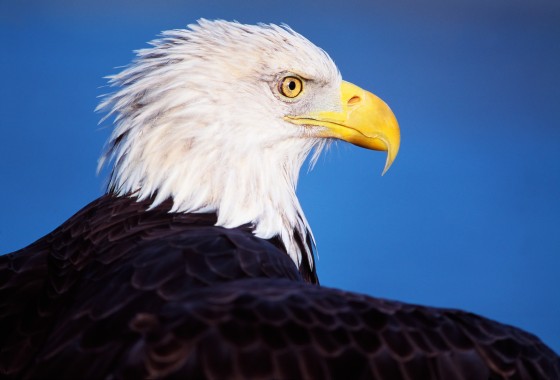
The Eagle’s Journey to the Top: Why Wasn’t It the Official Bird Already?
The bald eagle has long been a symbol of the United States, prominently displayed on the Great Seal since its adoption in 1782. But until now, the country had never actually designated an official bird. Why did it take over 240 years for the nation to formally recognize the eagle as its national symbol? Could it be that America was hesitant to make this declaration, unsure if the eagle still represents the values it once did?
Interestingly, the Founding Fathers were split on the decision. Benjamin Franklin, in particular, was vocal in his disapproval of the bald eagle as a symbol for the nation. In a letter to his daughter, Franklin criticized the eagle as “a bird of bad moral character,” a sentiment that raises an important question: do the flaws of this bird reflect the imperfections in the nation itself?
The Bald Eagle: A Symbol of Power or a Misplaced Icon?
For those who support the decision, the bald eagle’s new status is a long-overdue acknowledgment of its representation of freedom, power, and strength—qualities that are central to the American identity. However, are these attributes truly reflective of the modern United States, or do they hark back to an era of dominance and conquest?
In a world where the ideals of unity, equality, and environmental responsibility are gaining prominence, does it make sense to elevate a bird whose behavior—predatory and solitary—might not mirror the cooperative and inclusive values many Americans now strive for? The bald eagle’s aggressive nature raises an important question: is the symbol of a solitary predator still appropriate for a nation that prides itself on democracy and collaboration?
The Impact of Franklin’s Criticism: Is America’s Symbol of Choice Flawed?
Benjamin Franklin’s strong opposition to the bald eagle is often overlooked in modern discourse. His criticism, stating that the eagle was a “poor moral character” because it often steals food from other birds, reflects deeper concerns about the symbolism behind the bird. Should America’s emblematic figure be a creature that behaves in such a way?
Franklin, who proposed the turkey as a better symbol, believed that the bald eagle’s behavior reflected qualities of greed and laziness. While the eagle may embody ideals of strength and freedom, could it also symbolize the negative aspects of America’s history—colonialism, greed, and exploitation?
The Political Process: What Took So Long for the Eagle to Land?
The journey to officially recognize the bald eagle as America’s national bird was not without its own set of hurdles. Despite the eagle’s prominence in U.S. history, it took a concerted effort by Minnesota resident Preston Cook, who even drafted and sent a bill to lawmakers, to bring this issue to the forefront.
The bill passed with unanimous support, but what does this unanimous decision say about the political climate in the United States? Was it truly a symbol of unity, or was it more of a feel-good gesture—an attempt to cling to a symbol that might not resonate with future generations?
Is This Really a Priority for the U.S.?
While the decision to officially designate the bald eagle as the national bird may seem like a symbolic step forward, one must wonder if this was the right choice for the nation at a time when there are far more pressing issues. With debates about healthcare, climate change, and social justice taking center stage, why was so much political energy dedicated to a bird’s official status? Should America be spending more time addressing real-world challenges instead of focusing on a centuries-old debate about symbolism?
Looking Ahead: Does the Bald Eagle Still Represent America?
Now that the bald eagle is finally enshrined in U.S. law, we must ask: does this bird still accurately reflect the ideals of modern America? In a time when America’s global role is under increasing scrutiny and internal divisions grow deeper, can the image of a solitary, predatory bird truly represent the country’s evolving identity?
As we look toward the future, perhaps the question shouldn’t be whether the bald eagle is an appropriate symbol, but whether America can adapt its symbols to better reflect the ideals of a diverse, interconnected world. The eagle may have landed, but it remains to be seen if it can still soar in a way that resonates with all Americans.