
Jobless Claims Hit a Three-Year High—What's Behind the Numbers?
The U.S. labor market, long regarded as a bedrock of economic stability, is exhibiting troubling vulnerabilities. Data from the Department of Labor reveals that recurring jobless claims have escalated to 1.91 million as of December 14, a figure unmatched since November 2021. This sharp weekly increase of 46,000 underscores a concerning development: protracted unemployment durations are becoming increasingly common, suggesting systemic inefficiencies in labor market recovery mechanisms.
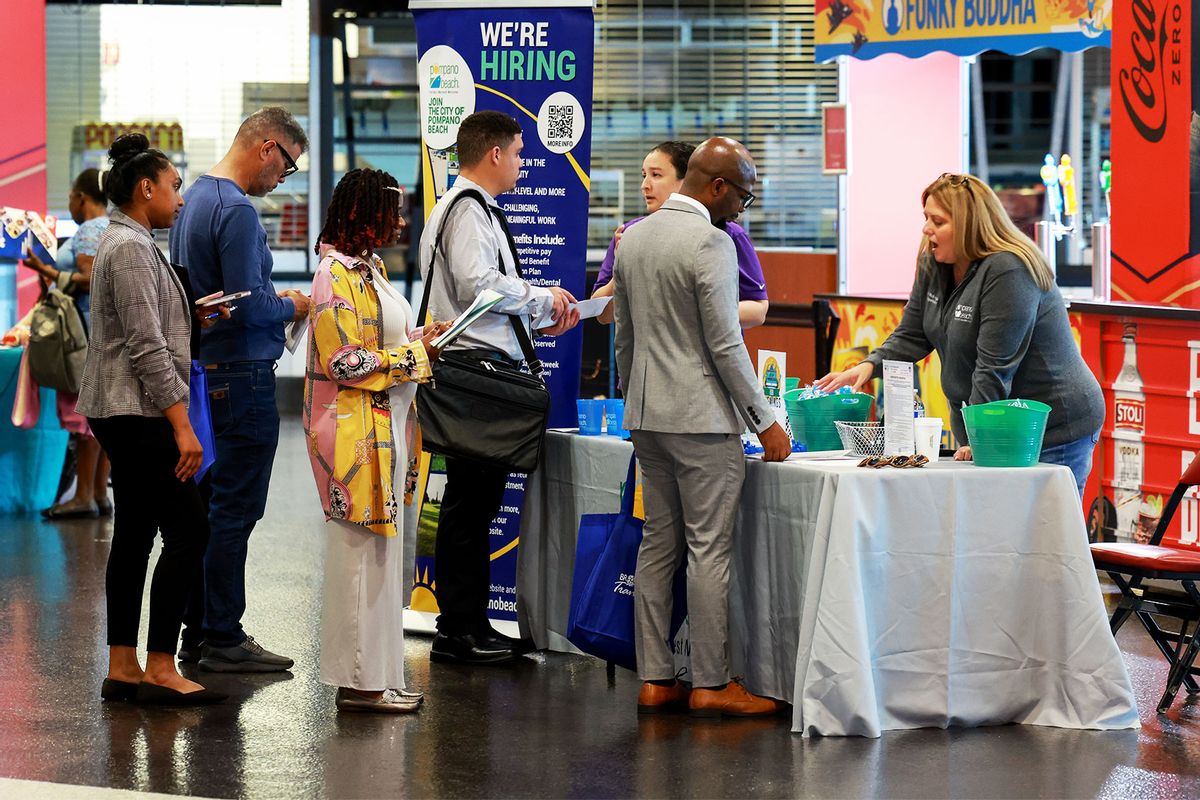
Despite modest gains following disruptions caused by strikes and natural disasters earlier in the year, the pace of employment recovery remains lackluster. November saw a rebound, with 227,000 jobs added—a stark contrast to October’s meager 36,000—but such figures fail to mitigate the broader structural challenges. Alarmingly, nearly half of all unemployed individuals have been seeking work for more than 15 weeks, reflecting a labor market unable to absorb displaced workers efficiently.
Prolonged unemployment exacerbates a cascade of adverse outcomes. Skills atrophy becomes a pressing concern, as the value of previously acquired expertise diminishes with time. This, coupled with psychological ramifications such as diminished self-confidence, creates formidable barriers to re-entry into the workforce. The societal implications are profound, encompassing financial instability and increased dependence on public assistance programs, which further strain already stretched social safety nets.
The Disconnect Between Job Openings and Hiring
While job openings experienced a modest recovery in October, climbing to 7.7 million from a three-and-a-half-year low of 7.4 million in September, these statistics fail to reflect the nuanced challenges faced by the labor market. A critical analysis reveals significant skill mismatches between employer requirements and job seeker qualifications. Compounding this issue is the pervasive economic uncertainty, which fosters employer hesitancy to make long-term hiring commitments.
This phenomenon echoes patterns observed in the aftermath of the Great Recession, where economic stagnation left millions excluded from the benefits of recovery. Employers, constrained by the dual imperatives of maintaining lean operational structures and responding to fluctuating demand, are often reluctant to invest in workforce expansion. Consequently, a paradox emerges: despite the theoretical availability of jobs, tangible opportunities remain elusive for many.
Geographic and sectoral disparities further deepen this divide. While high-growth sectors such as technology and healthcare exhibit robust demand, industries like retail and manufacturing face contraction, rendering reemployment opportunities unevenly distributed. Similarly, urban centers often outpace rural areas in economic recovery, perpetuating regional inequities that compound the challenges of addressing unemployment.
The Broader Implications for American Workers
The ramifications of rising jobless claims extend far beyond those currently unemployed. A December Gallup poll underscores the pervasiveness of workplace dissatisfaction, with over half of U.S. workers actively or passively seeking alternative employment. Only a scant 18% report being "extremely satisfied" with their jobs, highlighting systemic issues such as stagnant wages, eroding benefits, and precarious working conditions.
The intersection of prolonged unemployment and widespread job dissatisfaction portends a deepening of economic inequality. As displaced workers exhaust savings and benefits, they face heightened vulnerability to financial precarity, perpetuating cycles of poverty. This dynamic not only undermines individual well-being but also weakens consumer spending, a cornerstone of economic vitality.
Small businesses, heavily reliant on local consumer activity, are particularly susceptible to these shifts. Reduced discretionary spending among financially strained households may precipitate closures, triggering further layoffs and compounding the downward spiral. Thus, the repercussions of labor market stagnation reverberate across the broader economic landscape, challenging narratives of resilience and recovery.
Where Do We Go From Here?
Addressing the complexities of the current labor market necessitates a multi-pronged approach. Policymakers must confront entrenched issues such as wage stagnation and underemployment while fostering environments conducive to workforce adaptation. Investments in reskilling initiatives and infrastructure projects could provide avenues for displaced workers to regain employment, particularly in emerging sectors.
For businesses, re-evaluating hiring practices and adopting a long-term perspective are imperative. Prioritizing workforce development over short-term cost savings can yield significant dividends, both in terms of productivity and employee retention. However, achieving these objectives requires a collaborative effort between public and private sectors, underscored by a shared commitment to equitable growth.
Political inertia remains a formidable obstacle. Deep partisan divisions impede the enactment of comprehensive labor reforms, delaying recovery efforts and eroding public trust. Without decisive action, the risk of a protracted labor market crisis looms, threatening to unravel fragile gains achieved in recent years.
Conclusion: A Call to Action
The surge in recurring unemployment claims serves as a stark indicator of systemic fragility within the American labor market. It demands an urgent reassessment of policy priorities and a commitment to addressing underlying structural deficiencies. Failure to act risks perpetuating cycles of inequality and undermining economic stability.
Policy initiatives must emphasize inclusivity, ensuring that economic growth translates into tangible benefits for all segments of society. Concurrently, businesses should champion workforce development as a strategic imperative, fostering environments that enable employees to thrive. Finally, individuals must be equipped with accessible education and training opportunities to navigate the evolving demands of the labor market.
The stakes are high, but the path forward remains clear. By embracing a coordinated and proactive approach, stakeholders can mitigate the risks of an impending labor market crisis and pave the way for a more resilient and equitable future.