
As Britain’s FTSE 100 closes 2024 with a respectable 5.7% gain, the narrative being spun is one of resilience in the face of global economic uncertainties. But beneath the surface of this modest success lies a more complex and concerning picture. Is this growth truly a cause for celebration, or are we clinging to shallow victories while ignoring deeper structural issues?
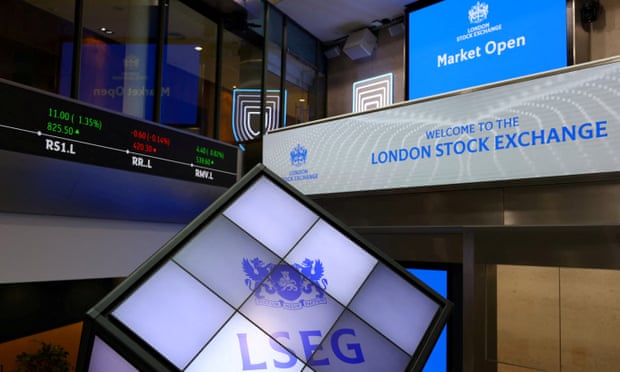
The Numbers Behind the Headline
The FTSE 100 gained 440 points this year, closing at 8,173—its highest level since 1999. On the surface, this suggests that the index, which tracks blue-chip companies listed in London, has weathered economic turbulence admirably. With global markets grappling with inflationary pressures, rising interest rates, and geopolitical shocks, any growth might seem like a win.
But let’s unpack this. While a 5.7% annual gain is commendable, it pales in comparison to the double-digit rallies seen in other major indices, like the S&P 500 or Nasdaq. Are we celebrating mediocrity in a year where "resilience" feels more like "catching up"?
A Reliance on Heavyweights: The FTSE’s Achilles Heel
The FTSE 100’s performance is heavily skewed by a handful of sectors—energy, mining, and banking—which dominate the index. In 2024, oil and gas giants benefited from fluctuating commodity prices, while banks reaped rewards from rising interest rates. But this dependence on a few industries raises critical questions:
- What happens when commodity prices cool?
- Can banks sustain profits if rate hikes begin to taper?
Diversification is the hallmark of a healthy index. Yet, the FTSE 100 continues to lean disproportionately on cyclical sectors, leaving it vulnerable to downturns in these areas. This year’s gains, while solid, reflect short-term boosts rather than a broad-based recovery.
The Brexit Hangover Continues
Despite posting gains, the FTSE 100 remains burdened by lingering Brexit uncertainties. Trade frictions, labor shortages, and reduced investment flows have hampered the UK economy’s ability to compete globally. While other major indices reflect economies poised for innovation and growth, the FTSE seems mired in legacy industries with little sign of future-proofing.
Global investors, increasingly skeptical of the UK’s post-Brexit trajectory, have been reluctant to pour capital into British equities. This lack of confidence dampens the potential for sustained growth and innovation, further isolating the FTSE from more dynamic markets.
Inflation and Consumer Pressures: A Looming Threat
Inflationary pressures, which dominated headlines throughout 2024, remain a persistent threat. While falling energy prices have offered some relief, the cost-of-living crisis continues to weigh on consumer spending and corporate profits. The FTSE 100’s gain feels like a hollow victory when contrasted with the economic reality facing everyday Britons.
Rising interest rates, while beneficial to banks, have increased borrowing costs for businesses and households alike. This delicate balancing act between monetary policy and economic growth could easily tip in the wrong direction, threatening the fragile gains we’ve seen this year.
The Global Context: Falling Behind Competitors
Comparing the FTSE 100 to its global counterparts paints an unflattering picture. U.S. indices, buoyed by tech-driven innovation and robust economic policy, have far outpaced their UK equivalent. Even Europe’s major indices, such as the DAX and CAC 40, have shown stronger recoveries in key sectors like technology, manufacturing, and green energy.
This disparity highlights the FTSE 100’s struggle to adapt to a rapidly changing global landscape. While the rest of the world accelerates towards a digital, sustainable future, the UK seems anchored in the past, content with incremental progress.
A Year of Resilience—or a Year of Missed Opportunities?
The FTSE 100’s 5.7% gain in 2024 is being heralded as a testament to resilience. But resilience is not the same as growth, and survival should not be mistaken for success. Beneath the surface lies an index overly reliant on legacy industries, struggling to compete in an evolving global market.
If Britain wants to turn this modest win into sustainable progress, significant changes are needed:
- Foster Innovation: Encourage growth in technology, biotech, and renewable energy sectors to diversify the index.
- Address Brexit Challenges: Resolve trade and labor issues to rebuild investor confidence.
- Focus on Long-Term Strategy: Shift from short-term gains to policies that ensure future resilience.
Without bold action, the FTSE 100 risks falling further behind. Its “year of resilience” may one day be viewed as a year of missed opportunities—a cautionary tale rather than a cause for celebration.
What’s your perspective? Is the FTSE 100’s performance a sign of resilience, or does it signal deeper issues within the UK economy? Let’s discuss in the comments.