
How Fear of Deportation and Policy Uncertainty Could Erode Progress in Health Access
California’s ambitious strides in expanding healthcare access to undocumented immigrants are facing an existential threat under President-elect Donald Trump. His promises of mass deportations and tighter immigration policies have ignited a chilling effect on immigrant participation in programs like Medi-Cal. At the same time, some immigrants remain cautiously optimistic about potential economic gains under Trump’s administration. This dichotomy of fear and hope reveals a troubling reality: the delicate balance of healthcare progress and economic aspirations could be upended.
Healthcare’s Fragile Gains: A System at Risk
California has been a trailblazer in providing comprehensive health coverage to low-income residents, regardless of immigration status. Programs like Medi-Cal have reduced the uninsured rate to a historic low of 6.4%. Yet, fear of deportation is now undermining this progress.
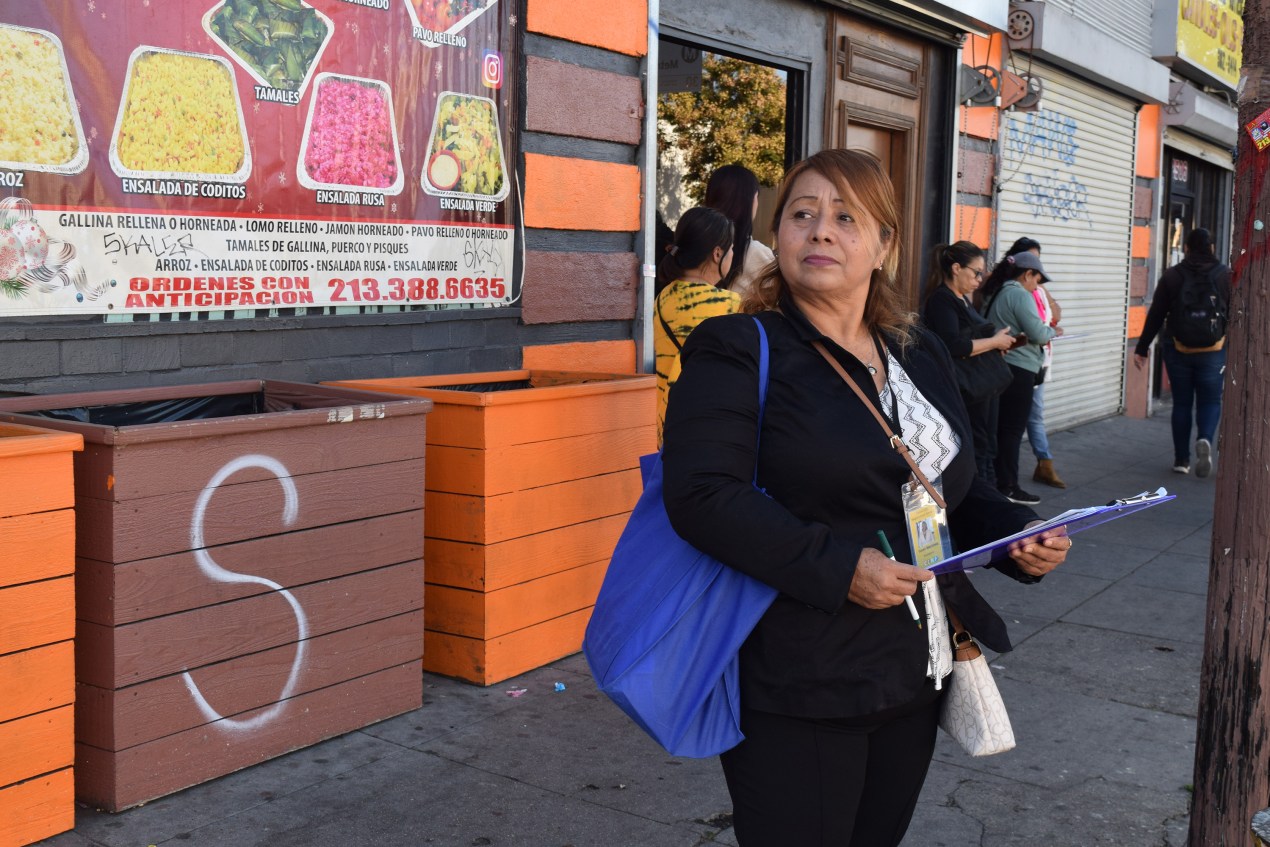
Community health workers report a growing reluctance among immigrants to enroll in health benefits. For many, the specter of government data being weaponized for immigration enforcement outweighs the benefits of accessing vital healthcare services.
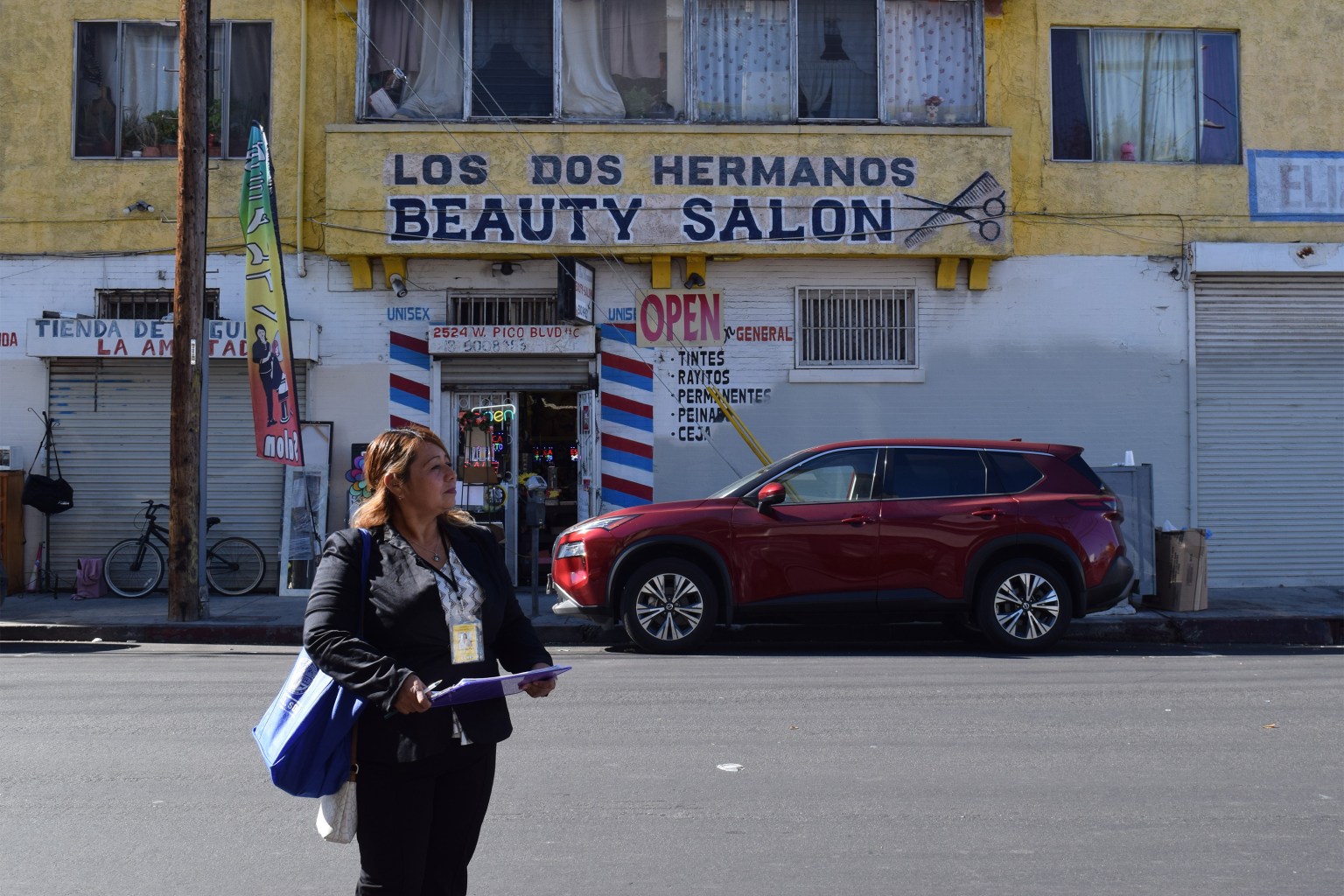
Yanet Martinez, a community health worker in Los Angeles, captures the gravity of this shift:
“They think I’m going to share their information to deport them. They don’t want anything to do with it.”
This erosion of trust jeopardizes not only individual health outcomes but also public health efforts aimed at reducing preventable illnesses and emergency care costs.
Trump’s Economic Promises: A Double-Edged Sword
Paradoxically, some immigrants express hope that Trump’s administration could improve their financial circumstances. A stronger economy, they believe, might mean more job opportunities and higher wages.
Selvin, a food processing worker, shares his conflicted perspective:
“I do see how he could improve the economy. From that perspective, I think it’s good that he won. But I’m afraid enrolling in Medi-Cal could hurt my chances of changing my immigration status.”
Such sentiments reveal the precarious trade-offs many immigrants face—balancing economic survival against the risks of engaging with government systems.
Policy Uncertainty: A Looming Threat to Healthcare Access
Trump’s track record on healthcare policy raises legitimate concerns for advocates and policymakers. The potential rollback of Medicaid funding and stricter eligibility criteria could devastate programs like Medi-Cal, which rely heavily on federal support.
Senator Lena Gonzalez, chair of the California Latino Legislative Caucus, warns:
“Everyone wants to put these types of services on the chopping block, which is really unfair. We will do everything we can to prioritize this.”
Trump’s previous attempt to expand the "public charge" rule—which penalized immigrants for using government benefits—exacerbated fears about accessing healthcare. Although the Biden administration rescinded this rule, its reinstatement could have far-reaching implications for immigrant communities.
The Human Cost of Fear
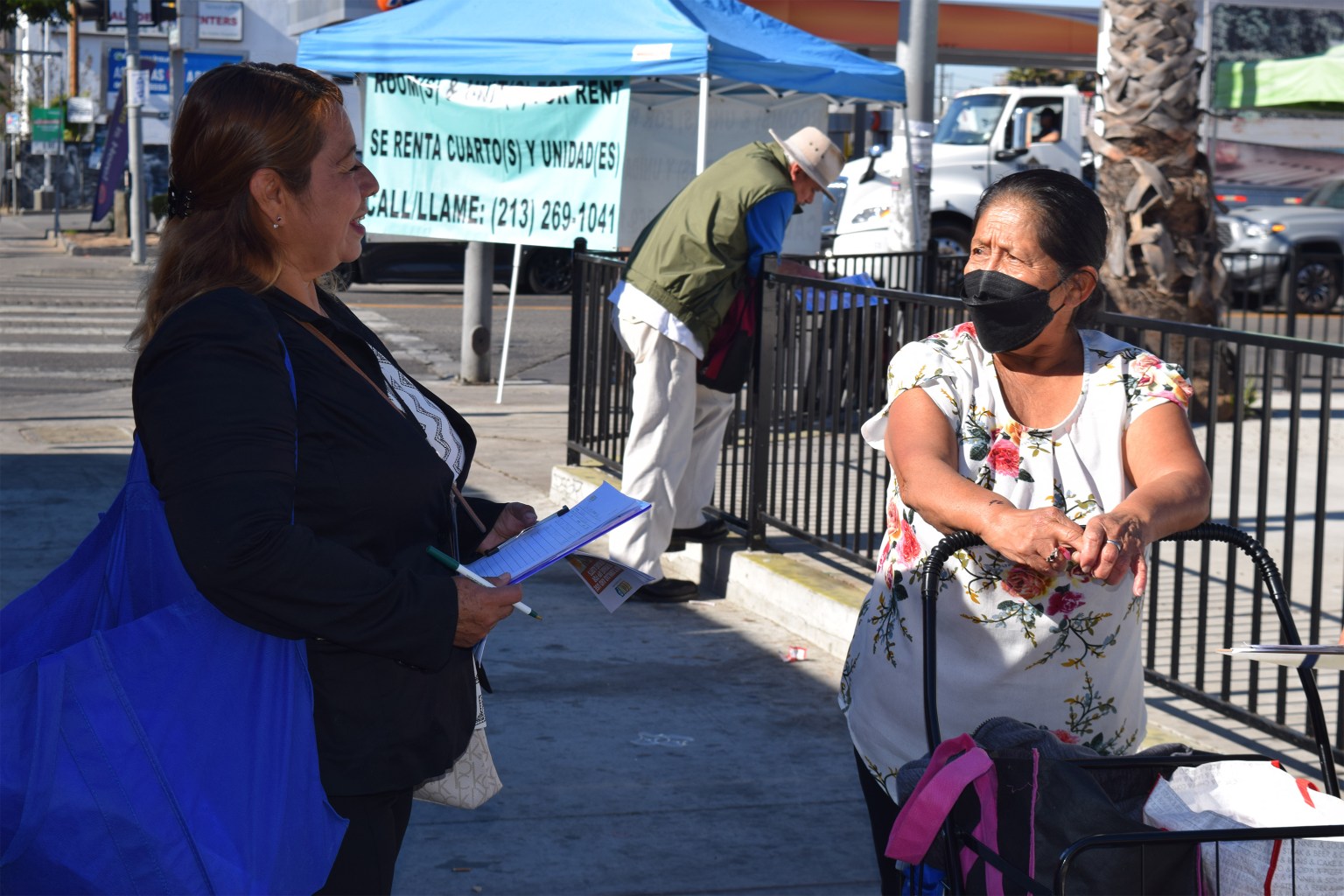
For many undocumented immigrants, the fear of deportation extends beyond health programs. It becomes a pervasive barrier to seeking care at all. Selvin admits he hasn’t seen a doctor in nine years, despite being eligible for Medi-Cal. Petrona, a street vendor from El Salvador, echoes similar fears, even as she acknowledges the importance of her current dental and health benefits.
This chilling effect threatens to reverse years of progress. Clinics and community health workers find themselves battling not only misinformation but also deeply ingrained distrust.
A Dangerous Precedent: Undermining Public Health
California’s decision to cover undocumented immigrants was grounded in both compassion and pragmatism. Immigrants contribute significantly to the economy and use fewer healthcare resources than native-born residents. By denying them access to preventive care, the system risks higher emergency costs and worsening public health outcomes.
Despite these facts, Trump's rhetoric of immigrants as a “financial drain” perpetuates harmful stereotypes. This narrative fuels divisive policies that ignore the economic and social contributions of immigrant communities.
Conclusion: The Road Ahead
California’s immigrant healthcare system is at a crossroads. While Trump’s promises of economic growth offer a glimmer of hope, the shadow of deportation and policy reversals looms large. The state’s leadership faces an uphill battle to protect vulnerable populations from both systemic and rhetorical threats.
For immigrants, the stakes couldn’t be higher. Their health, safety, and livelihoods hang in the balance, shaped by a political landscape that often prioritizes optics over empathy.
As we move forward, the question remains: Can California maintain its progressive vision in the face of federal resistance? Or will fear and uncertainty dismantle the hard-won gains that have defined its approach to immigrant healthcare?
The answer will define not only the future of millions of residents but also the values we uphold as a society.