
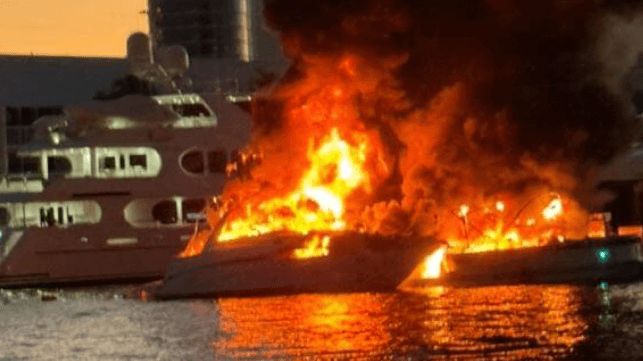
On the evening of December 23, 2024, a violent explosion rocked Fort Lauderdale’s Lauderdale Marina, leaving one person dead and five others injured. A 37-foot passenger vessel exploded while it was docked, sending shockwaves through the surrounding area. This tragic event raises serious concerns about the safety of recreational boating—especially in areas known for high boat traffic. But how did this happen, and what does it say about the increasing risks of boating accidents in the region?
The Devastating Explosion: How Could a Routine Day on the Water Turn Deadly?
Around 6:00 PM, as people went about their business on the pier, the boat’s engine suddenly exploded, propelling the main deck from the hull with incredible force. One witness described the explosion as a massive "boom," followed by flames consuming the dock. This violent blast not only killed 40-year-old Sebastien Gauthier, who was thrown into the water and later recovered, but also severely injured five others. Three of the survivors sustained serious trauma, and the boat continued to burn, setting fire to a nearby vessel as well.
What exactly went wrong? Was this a mechanical failure? Could the explosion have been prevented? The fact that such an event could occur in a busy marina—without prior warning or any indication of danger—raises troubling questions about boating safety protocols, maintenance standards, and the broader risks associated with vessel operation.
The Mystery of the Explosion: What Could Be the Cause?
The Florida Fish and Wildlife Commission has launched an investigation into the cause of the explosion, which continues to fuel concerns about the safety of recreational boating. The incident is especially alarming given that it marks the second boat explosion at Lauderdale Marina this month alone. The previous explosion occurred during fueling, and while no one was killed, the incident underscored the risks associated with fueling operations.
Could a simple oversight or a flaw in safety measures be to blame? With boat explosions happening with increasing frequency, it’s time to ask whether current safety practices, both in marinas and on vessels, are enough to prevent such catastrophic accidents. How can marinas and boating facilities address the growing risks to ensure that these deadly incidents do not continue?
Is Boating Really Safe? The Rising Threat of Explosions on the Water
For many, boating is seen as a relaxing, enjoyable activity, with few considering the potential dangers lurking beneath the surface. But as accidents like the Fort Lauderdale explosion make clear, there are real risks involved. Beyond explosions, the dangers of capsizing, fuel leaks, and onboard fires are constant threats that boaters face, especially when safety regulations are not enforced rigorously.
Shouldn’t boat owners and operators be doing more to ensure their vessels are safe before heading out on the water? How much more awareness is needed about these hidden dangers, particularly for tourists or new boaters who may not be aware of the severity of boating risks?
Are Safety Regulations Enough? What Can Be Done to Prevent More Tragedies?
While an investigation is underway, this tragic event shines a light on the potential flaws in boating safety regulation and enforcement. Although marinas are required to follow safety guidelines, incidents like these suggest that more stringent measures may be needed. Could more thorough inspections of boats, stricter regulations on fueling practices, and increased public education on safety be the answer to preventing future explosions?
More importantly, are current regulations keeping pace with the increasing popularity of recreational boating, especially in busy tourist areas like Fort Lauderdale? The answer seems unclear, and many may question whether authorities and boating organizations are doing enough to safeguard the public.
The Bigger Picture: Are Boating Accidents Becoming More Common?
With this being the second explosion at Lauderdale Marina in just a few weeks, one must ask: are boating accidents becoming more frequent, or are we simply paying more attention to them? The rise in boating tourism and increased boat ownership could be contributing factors, but this does not excuse the lack of attention to safety.
Have we reached a point where boating has become too risky for comfort, especially when incidents are happening more often in high-traffic areas? Are boat operators and marina authorities doing enough to prevent the types of accidents that result in unnecessary deaths and injuries?
Conclusion: Time for Change in Boating Safety Standards?
The deadly explosion in Fort Lauderdale serves as a grim reminder of the risks that come with recreational boating. As the investigation unfolds, one thing is clear: boating safety measures need to be revisited, refined, and enforced more rigorously.
For now, the victims and their families are left to mourn, while questions about the safety of boats, marinas, and fueling practices continue to linger. Will this tragic incident finally spark a wider conversation about the need for better safety standards and a reassessment of how boating accidents are prevented? Only time will tell. However, one thing is certain—boating, as a leisure activity, must be made safer for everyone involved.