
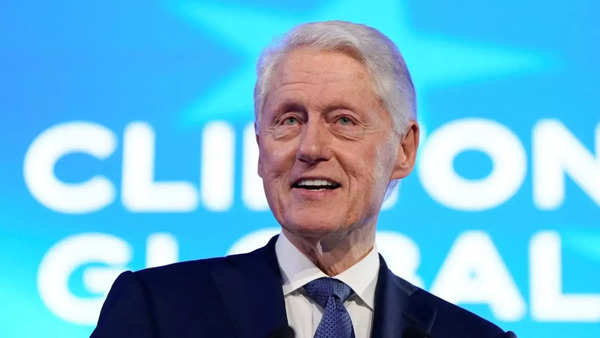
The recent hospitalization and subsequent discharge of former President Bill Clinton due to influenza have prompted widespread public reassurance. Yet, this seemingly straightforward medical update warrants a nuanced exploration of the broader health challenges faced by aging public figures and the systemic disparities within healthcare systems that such incidents illuminate. Clinton’s case, while singular in its visibility, provides a focal point for interrogating the interplay between privilege, access to medical care, and the vulnerabilities inherent in aging leadership.
Persistent Health Complications: Patterns and Implications
At 78, Clinton’s hospitalization is the latest in a series of significant health challenges. His medical history includes a quadruple coronary bypass in 2004, a procedure to clear a clogged heart artery in 2010, and a severe infection in 2021 that reached his bloodstream. These episodes collectively underscore the enduring strain that chronic conditions impose, even when mitigated by premier medical intervention.
Clinton’s expedited care and recovery underscore a glaring dichotomy in healthcare accessibility. The level of attention afforded to high-profile individuals contrasts starkly with the systemic barriers confronting ordinary citizens, many of whom endure prolonged wait times, financial hurdles, and insufficient resources. This juxtaposition invites a critical inquiry into how healthcare systems perpetuate inequities, particularly for marginalized populations who experience disproportionately limited access to preventative and acute care.
Furthermore, Clinton’s reliance on advanced medical technologies and comprehensive care highlights the stark socioeconomic disparities in health outcomes. Preventive measures and lifestyle interventions—routinely recommended for cardiovascular health—often remain inaccessible to individuals lacking adequate insurance or financial means. Addressing these disparities necessitates a paradigmatic shift in healthcare policy and resource allocation to prioritize equity over exclusivity.
Influenza and Its Underappreciated Threats
Influenza, frequently trivialized as a minor ailment, poses a grave threat to older adults and individuals with preexisting conditions. For someone with Clinton’s cardiovascular history, the flu’s potential complications, including pneumonia and exacerbation of chronic illnesses, elevate its severity. What might constitute a routine infection for a younger, healthier individual can manifest as a life-threatening event in such cases.
This scenario underscores the broader public health challenge of underestimating influenza’s societal impact. Despite its annual toll on healthcare systems and vulnerable populations, vaccination rates remain suboptimal, driven in part by misinformation and vaccine hesitancy. Public health campaigns often fail to achieve the penetration necessary to shift cultural perceptions about the flu’s seriousness, particularly in at-risk demographics.
Moreover, the economic ramifications of influenza—from workforce absenteeism to the burden on healthcare infrastructure—demand a comprehensive, proactive approach. Enhancing vaccine accessibility, strengthening public health messaging, and addressing structural barriers to preventive care must become imperatives. Clinton’s hospitalization serves as a potent reminder of the urgency to reconceptualize influenza management as a cornerstone of public health policy.
Leadership Amid Aging: Complexities and Considerations
Clinton’s health issues also bring into focus the broader challenges associated with aging leadership. As global leaders increasingly extend their tenure into advanced age, the physical and cognitive demands of governance inevitably intersect with the biological realities of aging. While the accumulated wisdom and experience of senior statespersons are invaluable, these attributes must be balanced against the physiological limitations that aging entails.
Transparent discussions about the health of aging leaders are vital but often constrained by cultural stigmas and political sensitivities. The reluctance to engage in open dialogue about health challenges not only obfuscates the public’s understanding but also perpetuates unrealistic expectations regarding the capacity of aging individuals to sustain demanding roles.
Moreover, Clinton’s case underscores the importance of institutional resilience. Succession planning and leadership development should account for the inevitability of health-related interruptions, ensuring that governance remains robust even amid personal crises. Such planning necessitates a shift away from individual-centric paradigms toward systems capable of absorbing and adapting to these disruptions.
Healthcare Equity: A Moral Imperative
Clinton’s experience underscores profound inequities in healthcare systems globally. While his access to world-class medical facilities facilitated a swift and effective response to his illness, countless individuals in less privileged circumstances lack access to even basic medical care. This disparity calls for systemic reform aimed at democratizing healthcare access and ensuring that high-quality care is not the exclusive privilege of the elite.
The structural inequities evident in healthcare systems extend beyond Clinton’s case. Addressing these disparities requires actionable strategies, including expanded funding for public health initiatives, broader implementation of preventive care measures, and targeted efforts to dismantle socioeconomic barriers. Flu vaccination campaigns, for example, should prioritize outreach to underserved communities while combating vaccine hesitancy through culturally competent education.
Concluding Reflections
Clinton’s recovery is both a testament to medical advancements and a poignant illustration of systemic inequities. As society celebrates his recuperation, it must also grapple with the broader implications of his case. From the underappreciated risks posed by influenza to the ethical challenges of healthcare access, Clinton’s story serves as a microcosm of the intersecting issues shaping public health and governance.
Ultimately, achieving a more equitable healthcare landscape necessitates a collective commitment to reform. By addressing disparities in access, fostering transparency in leadership health disclosures, and prioritizing preventive care, society can move toward a future where health crises no longer disproportionately burden the vulnerable. Clinton’s case should inspire not only gratitude but also a resolve to ensure that high-quality healthcare is a universal right rather than a selective privilege.